2026 Edition of "Sztuka na Złotej 44" is exploring Op-Art
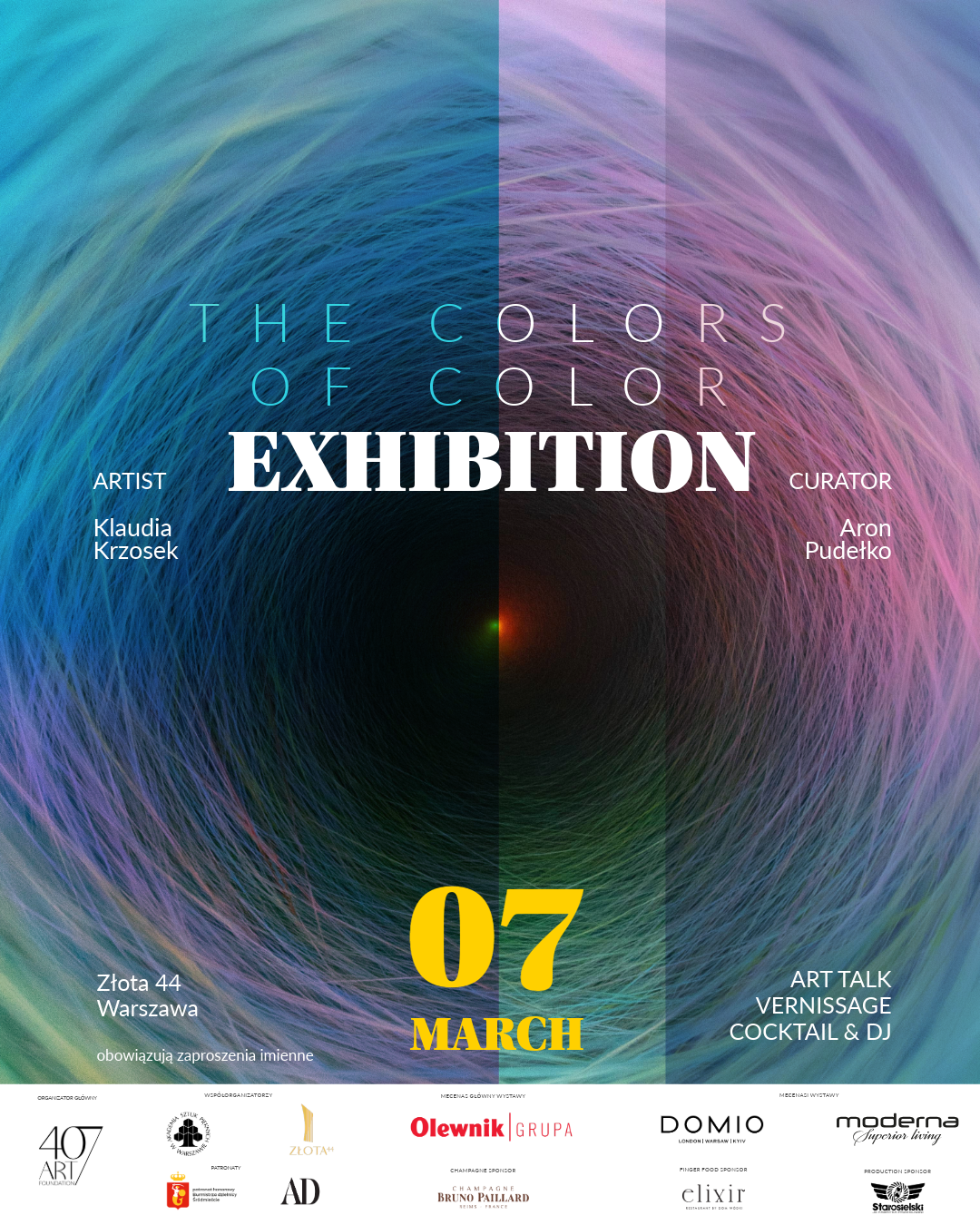
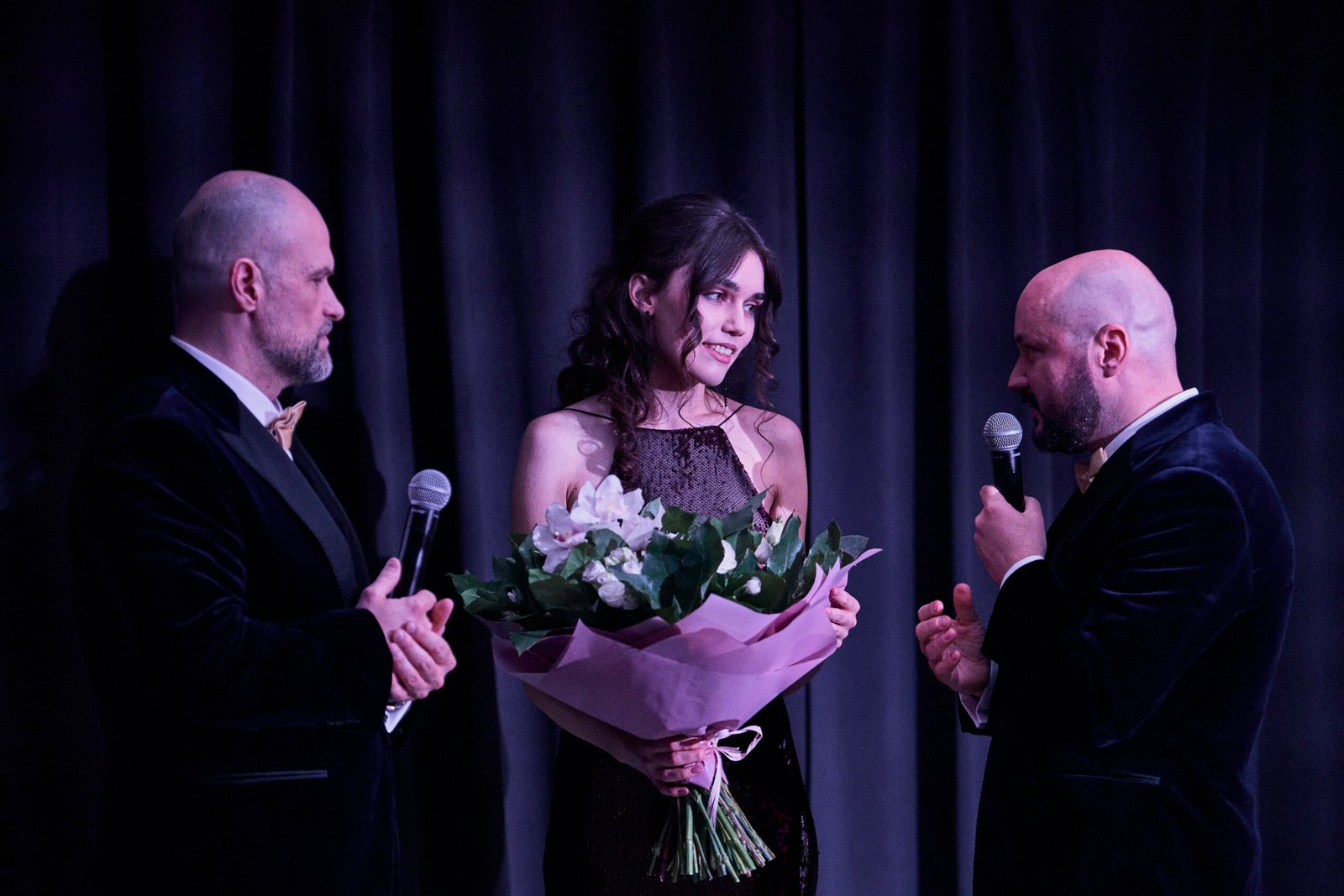
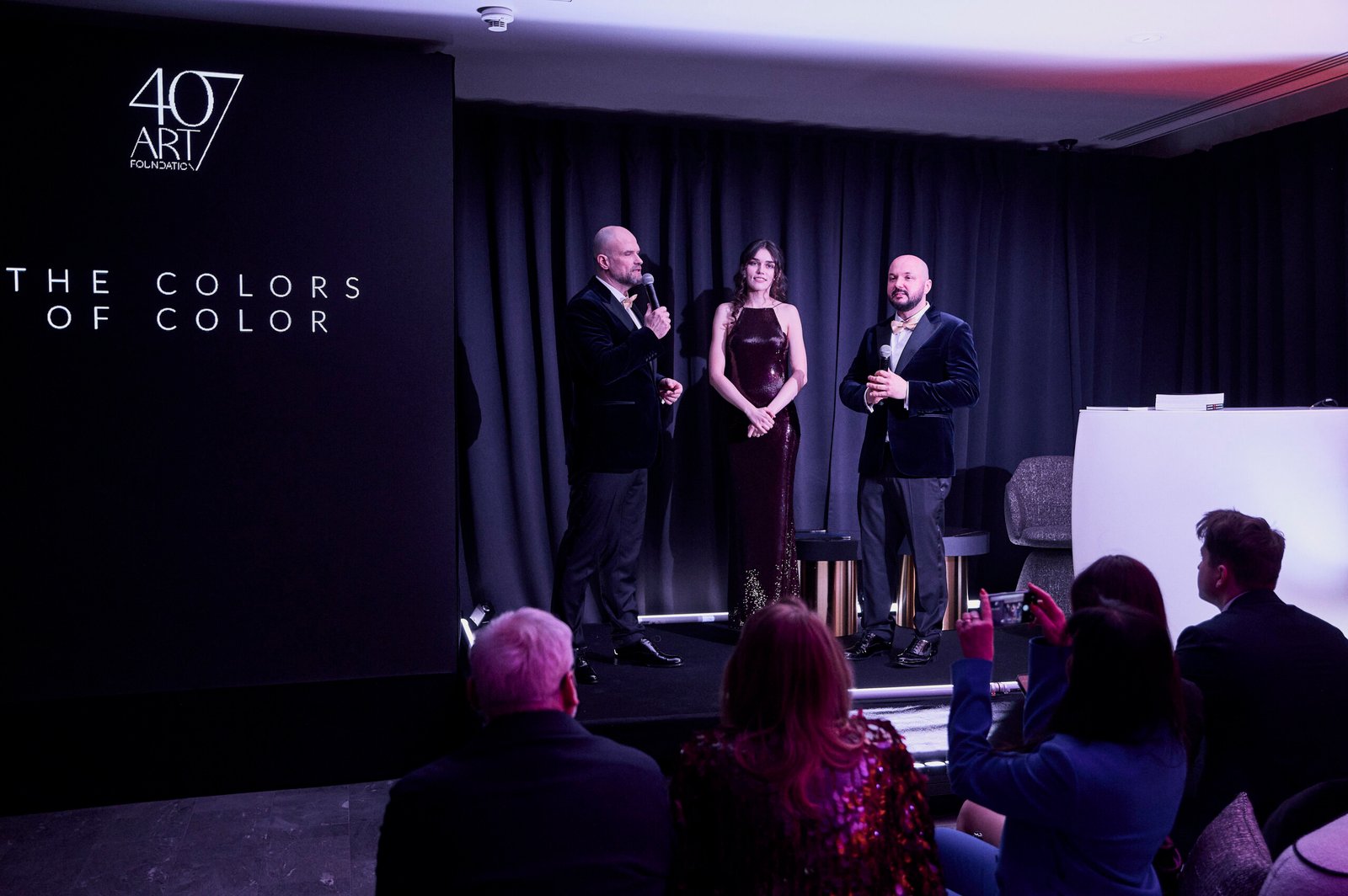
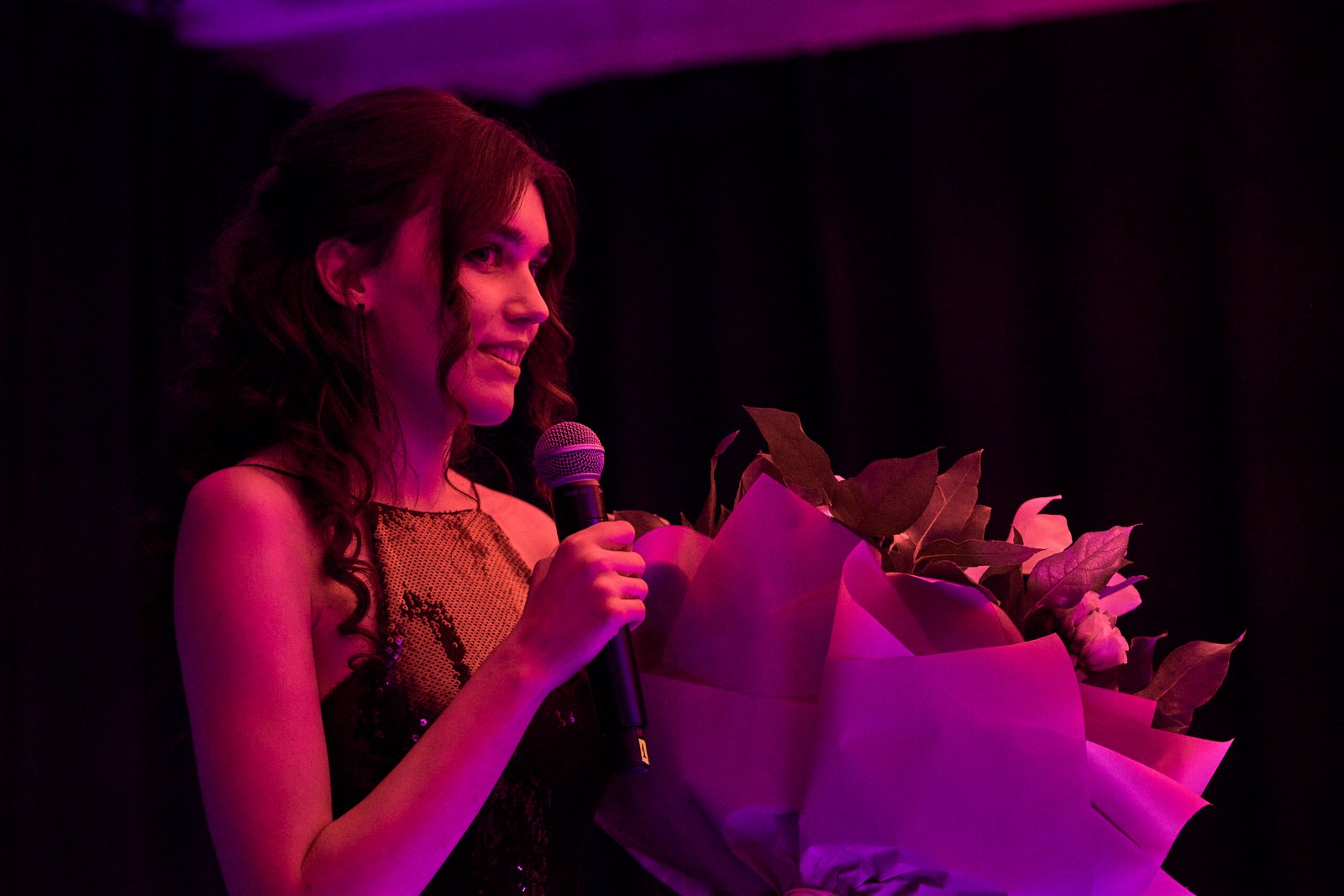
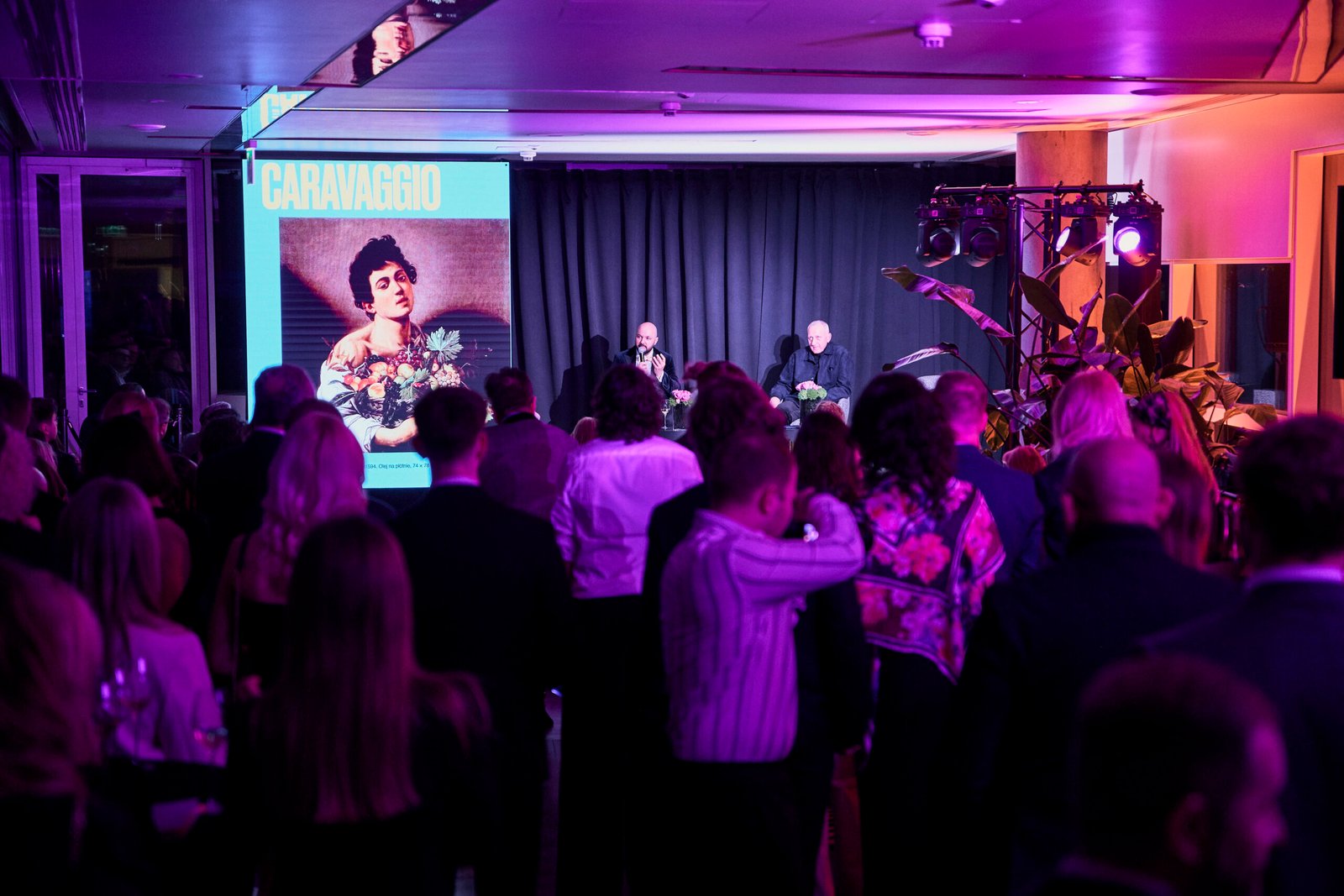
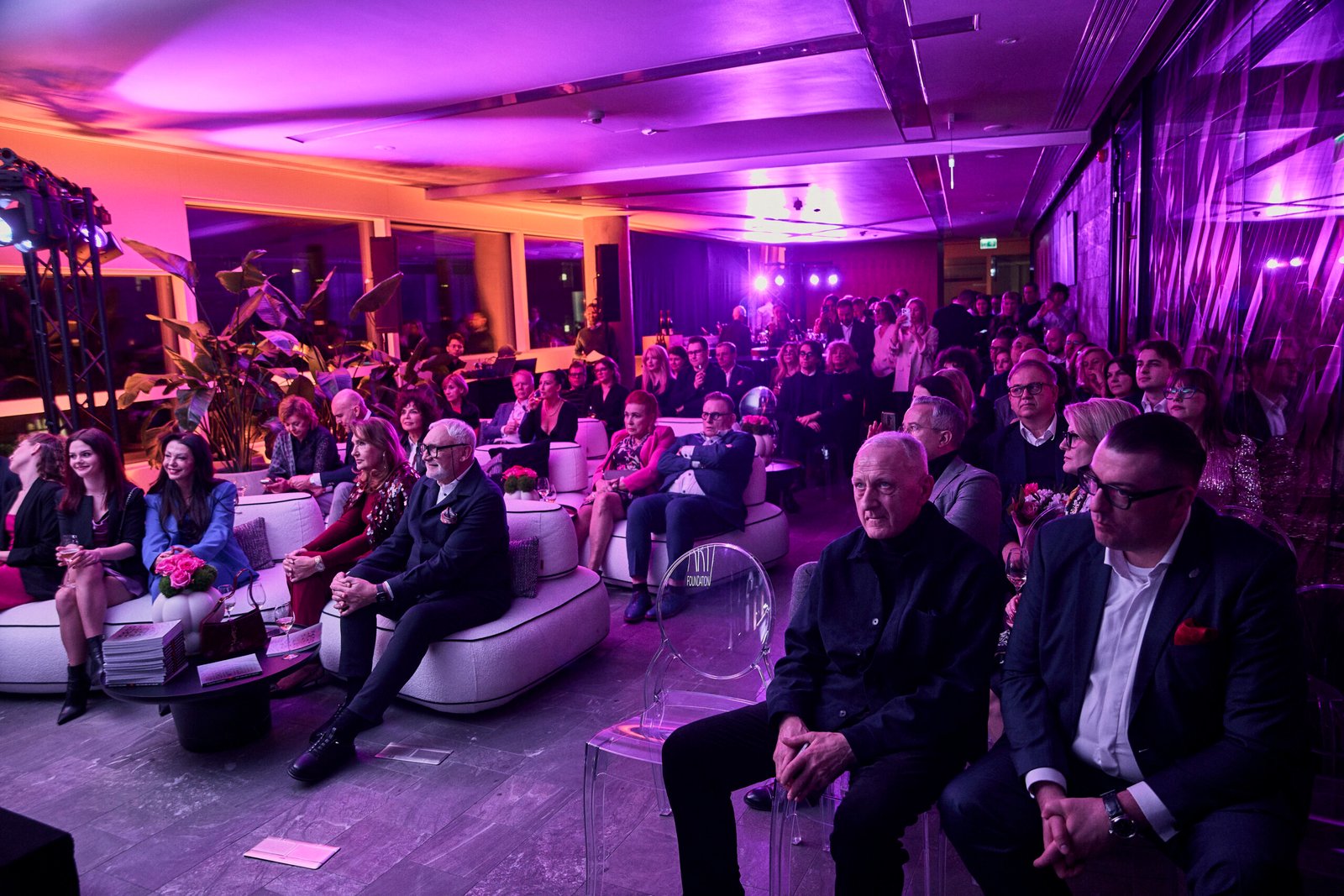
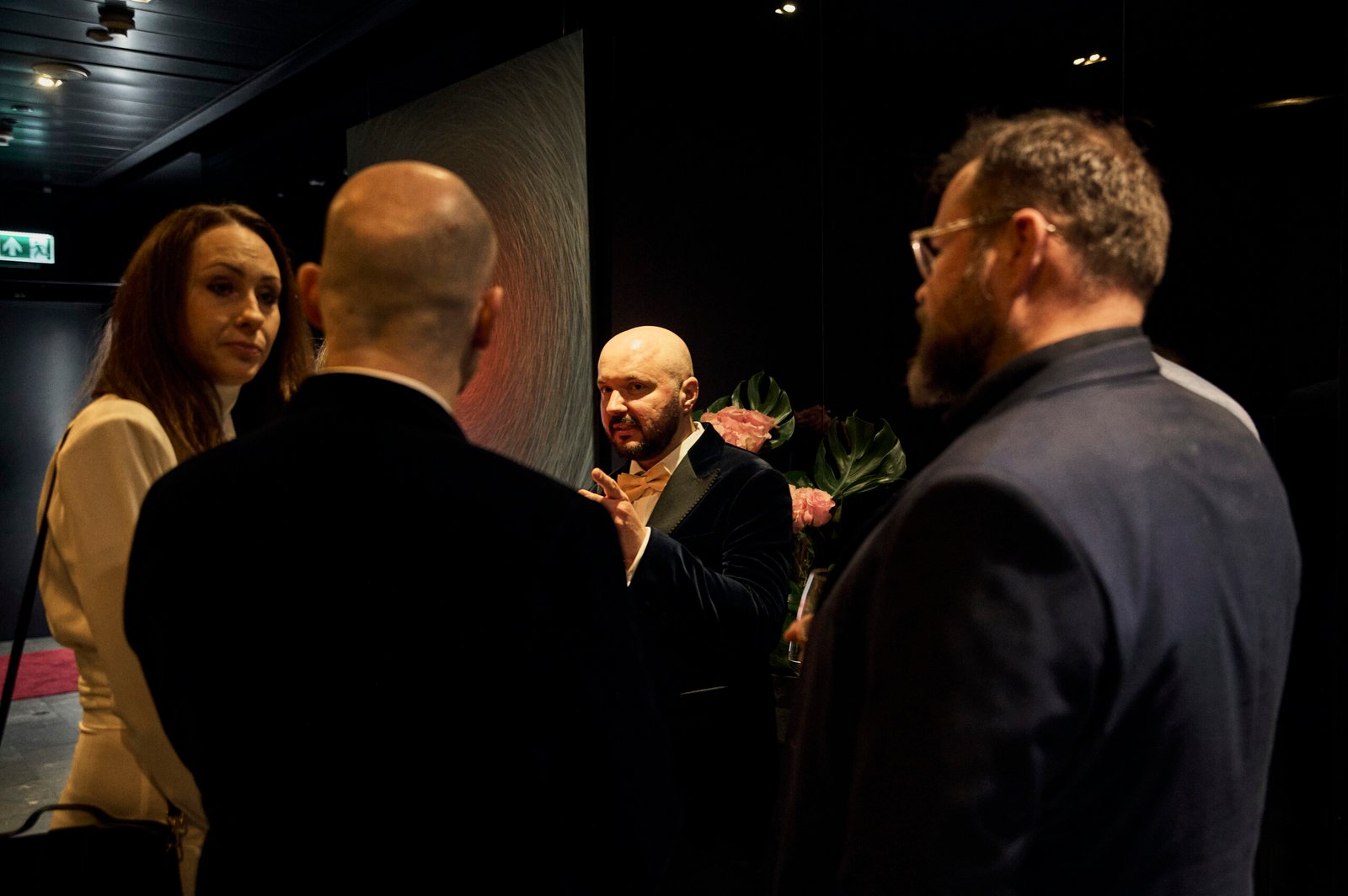
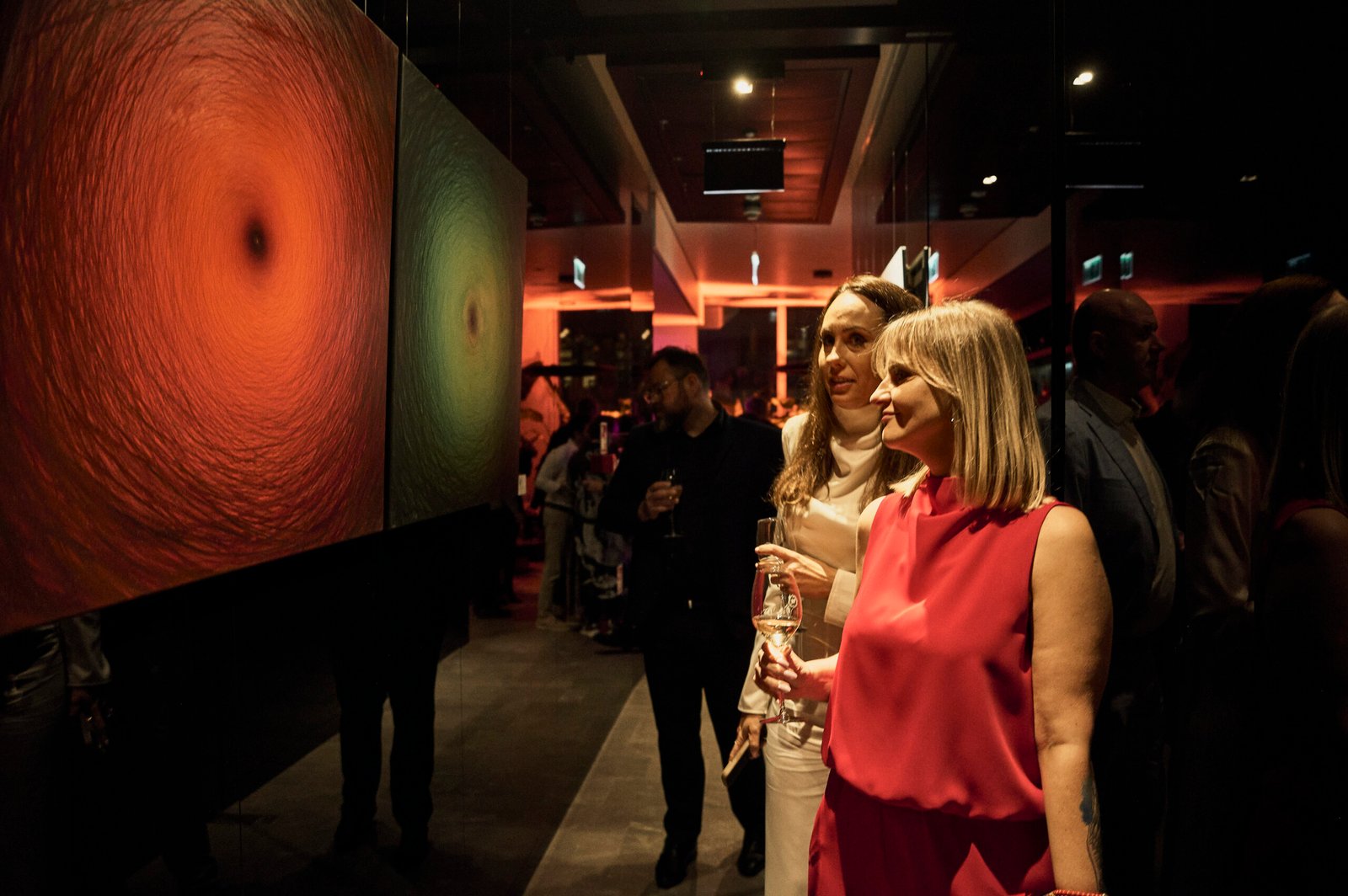
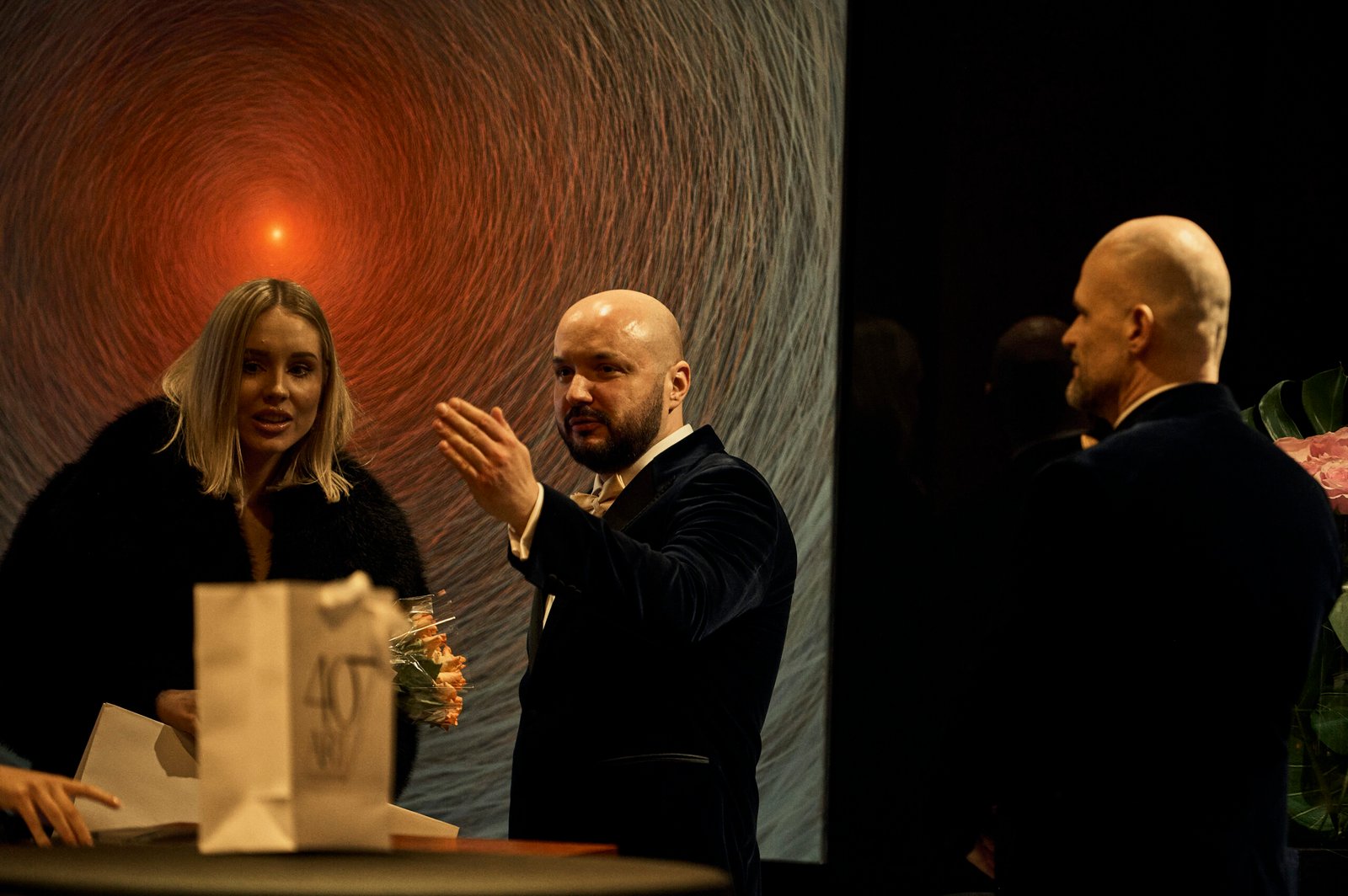
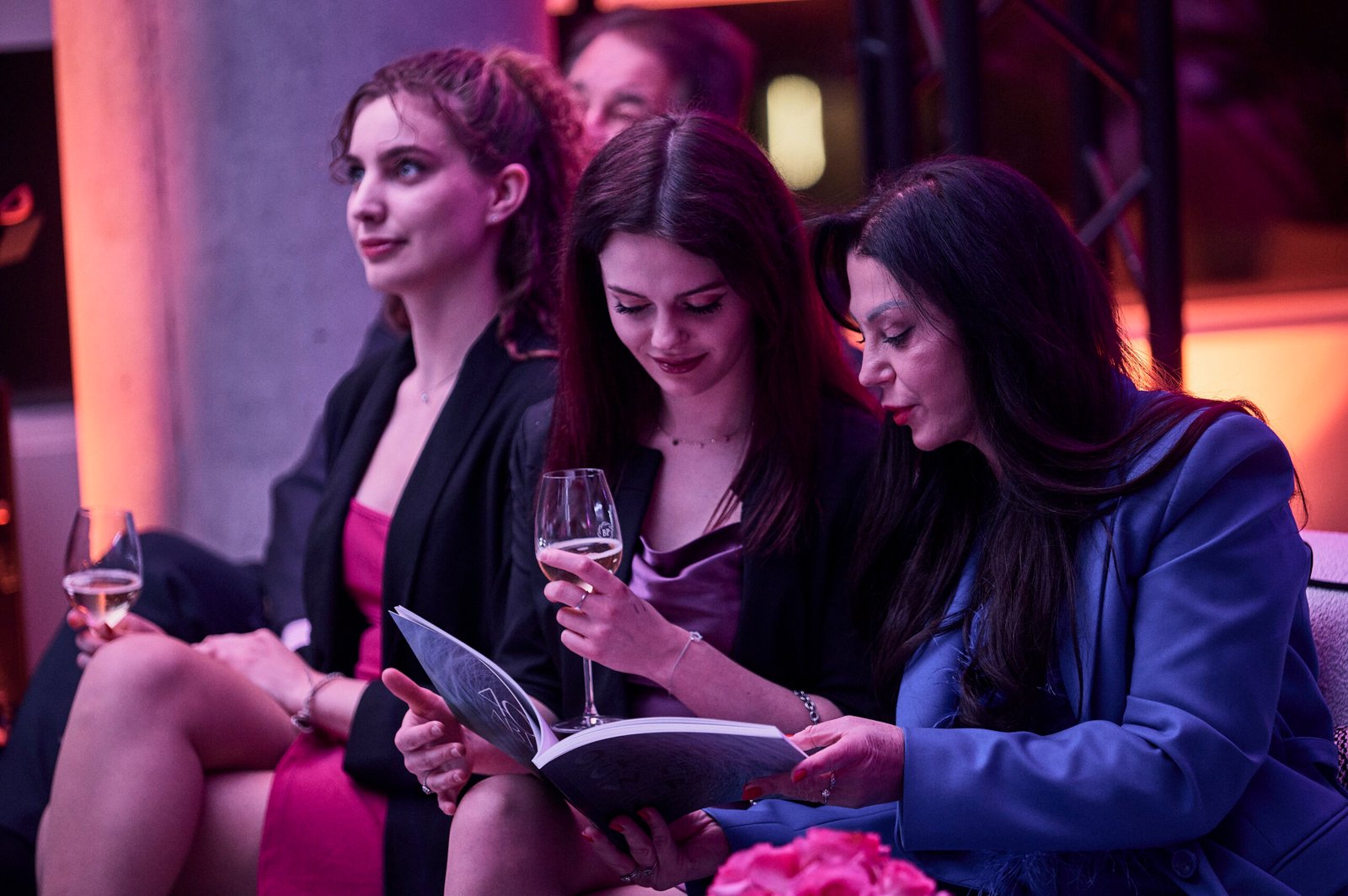
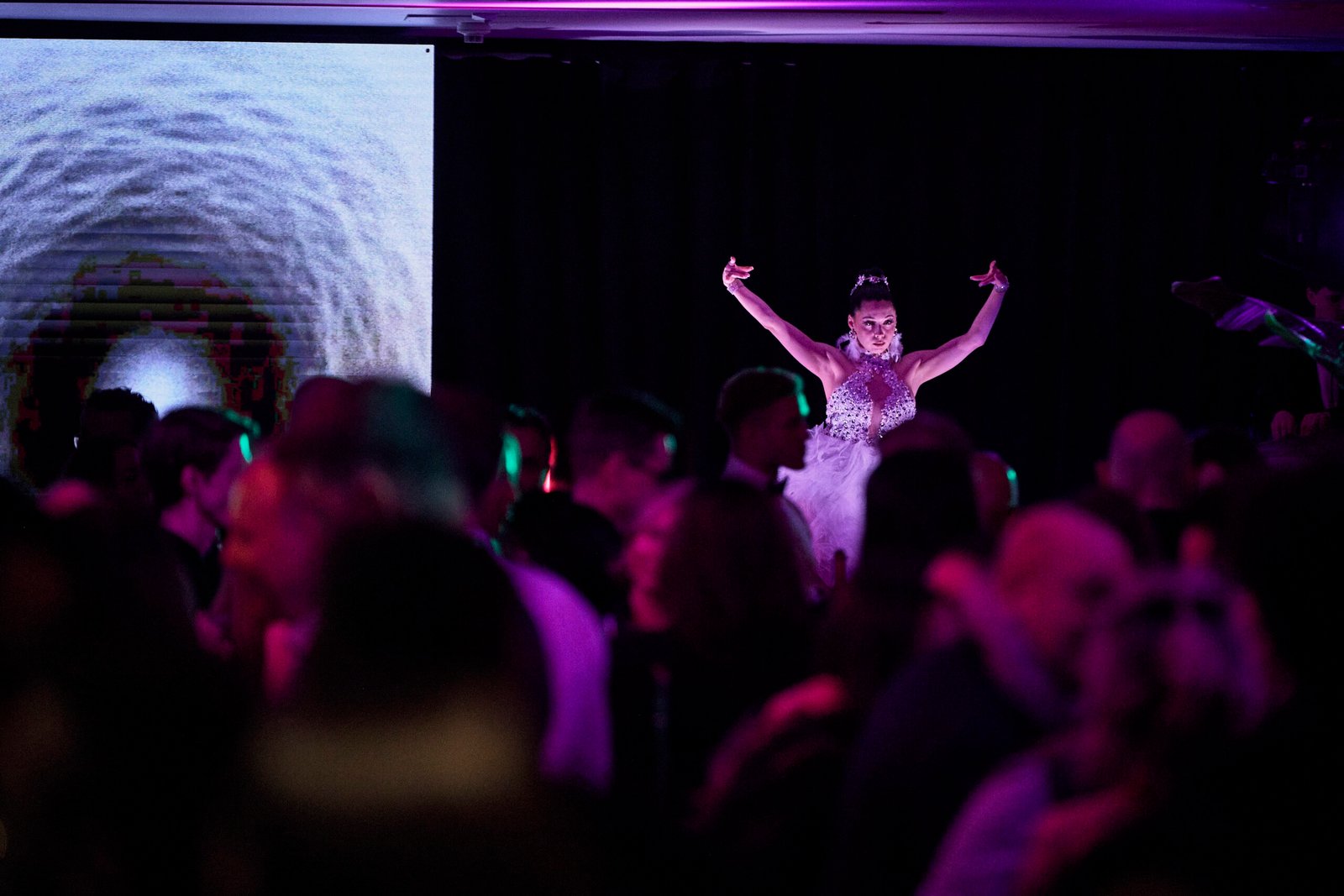
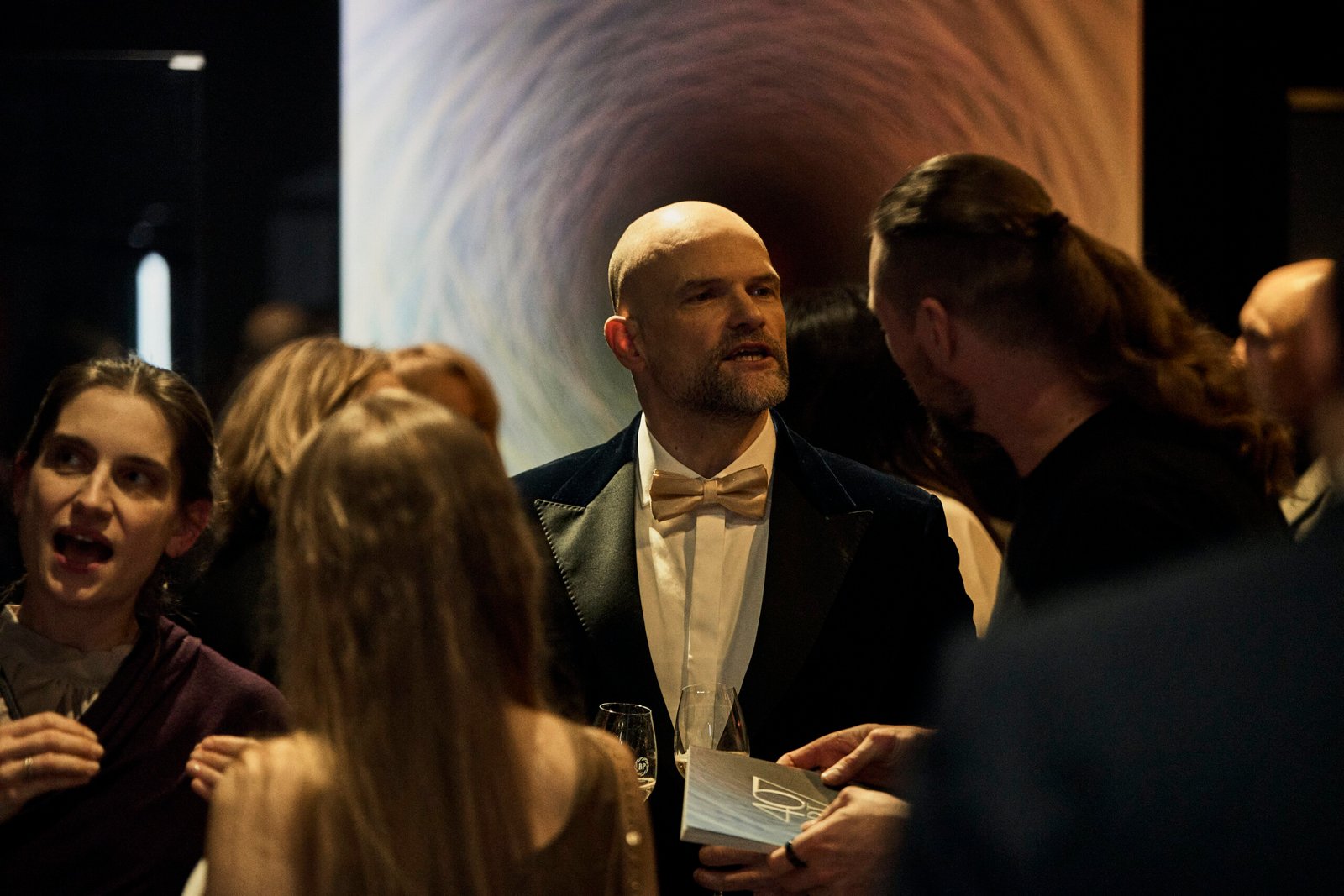
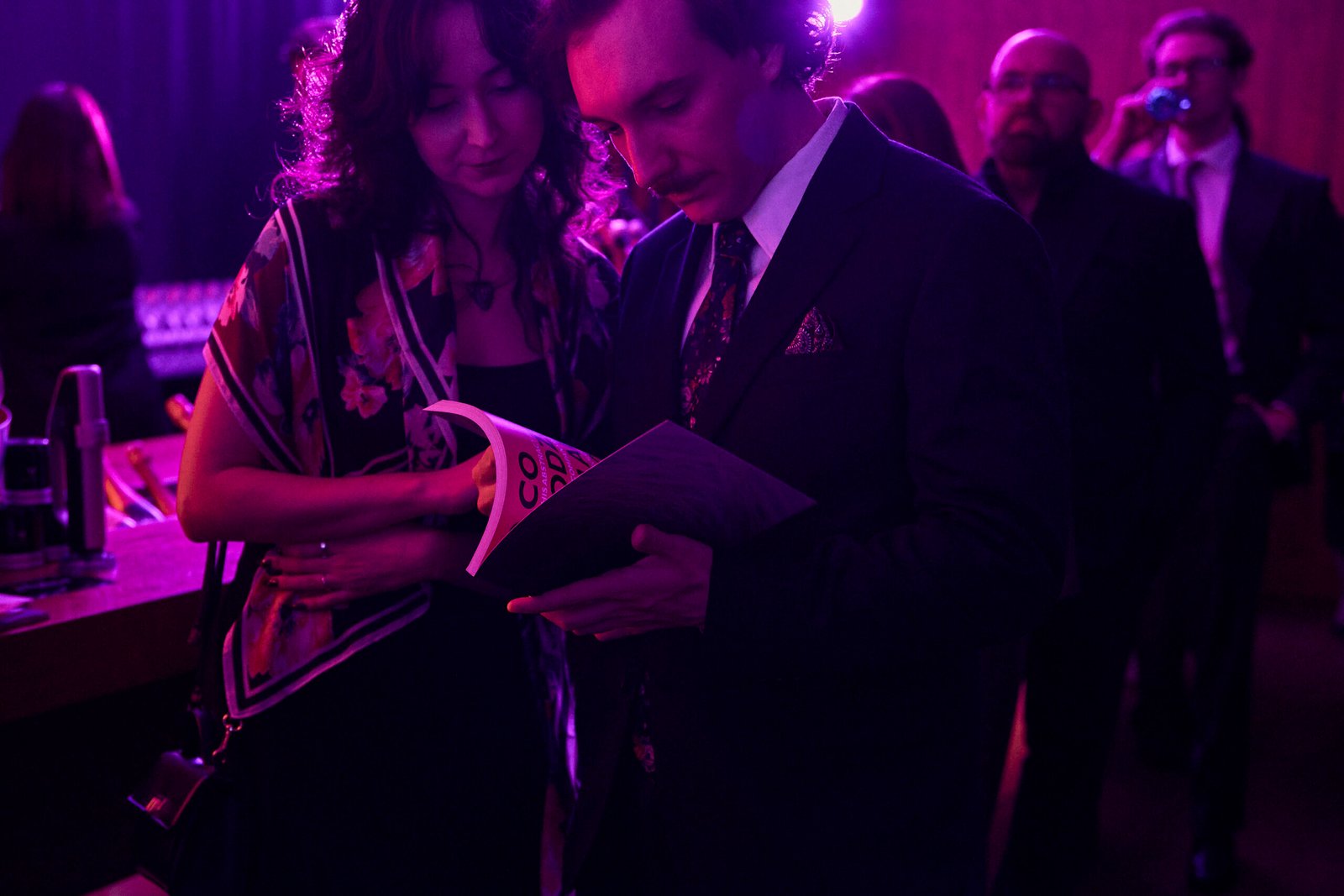
- 7 March 2026 - Exclusive Pre View for Invited guests from Art industry, Diplomats, Media & PRESS, VIP Art Collectors and Residents of Zlota 44
- Public Exhibition: March 2026 - April 2026
- Current location of the exhibition: March 2025 VIP PRE VIEW - ZŁOTA 44 Warsaw, Poland
- Artist: Klaudia Krzosek
- Curator: Aron Pudełko
“The Colors of Color” – A New Immersive Exhibition by Klaudia Krzosek
What happens when color stops being surface and becomes energy? Can painting still surprise us in a time when abstraction seems to have reached its limits? The exhibition The Colors of Color Klaudii Krzosek invites viewers into a space where light, rhythm, and perception merge into a fully immersive experience.
This is not simply a presentation of paintings. It is an encounter with living color.
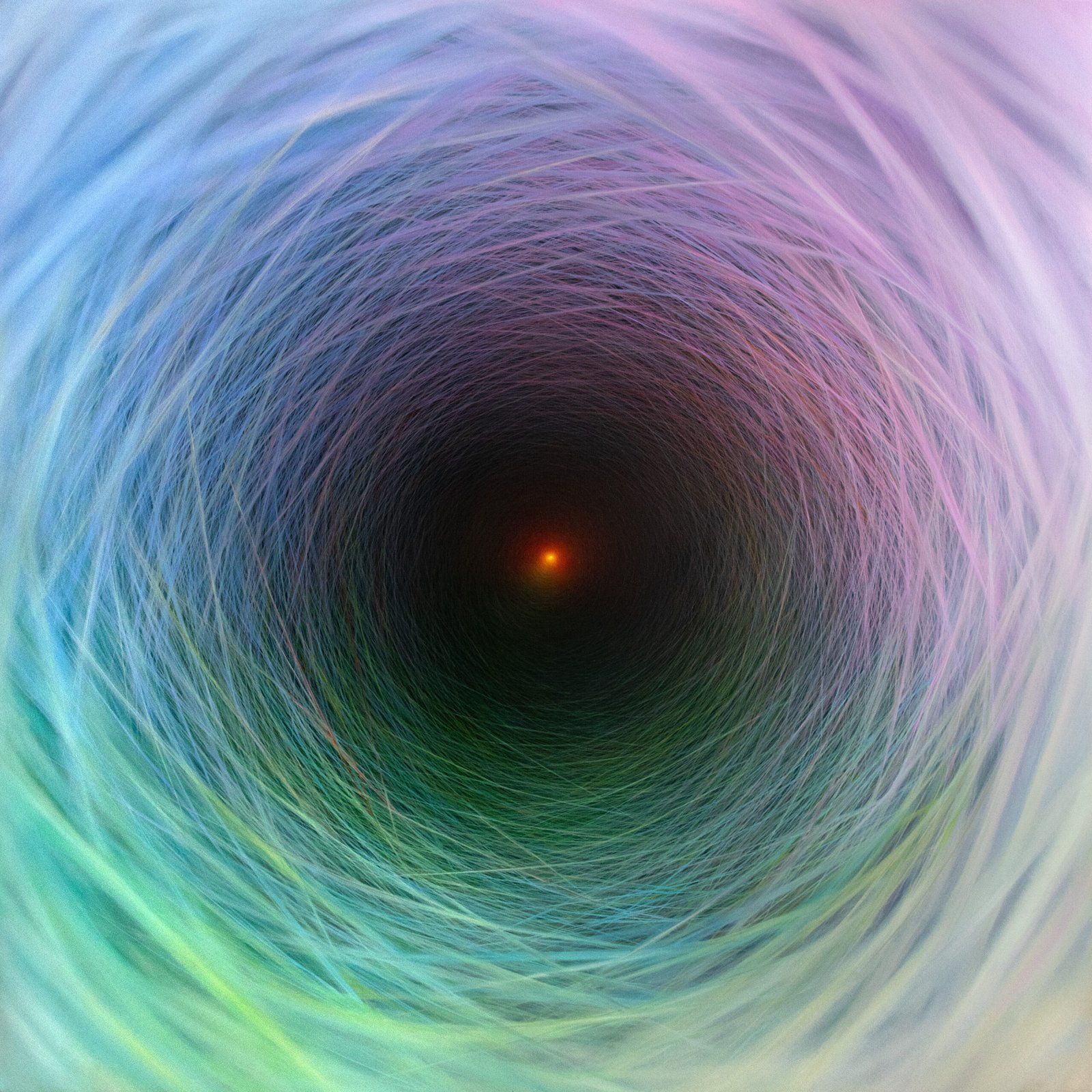
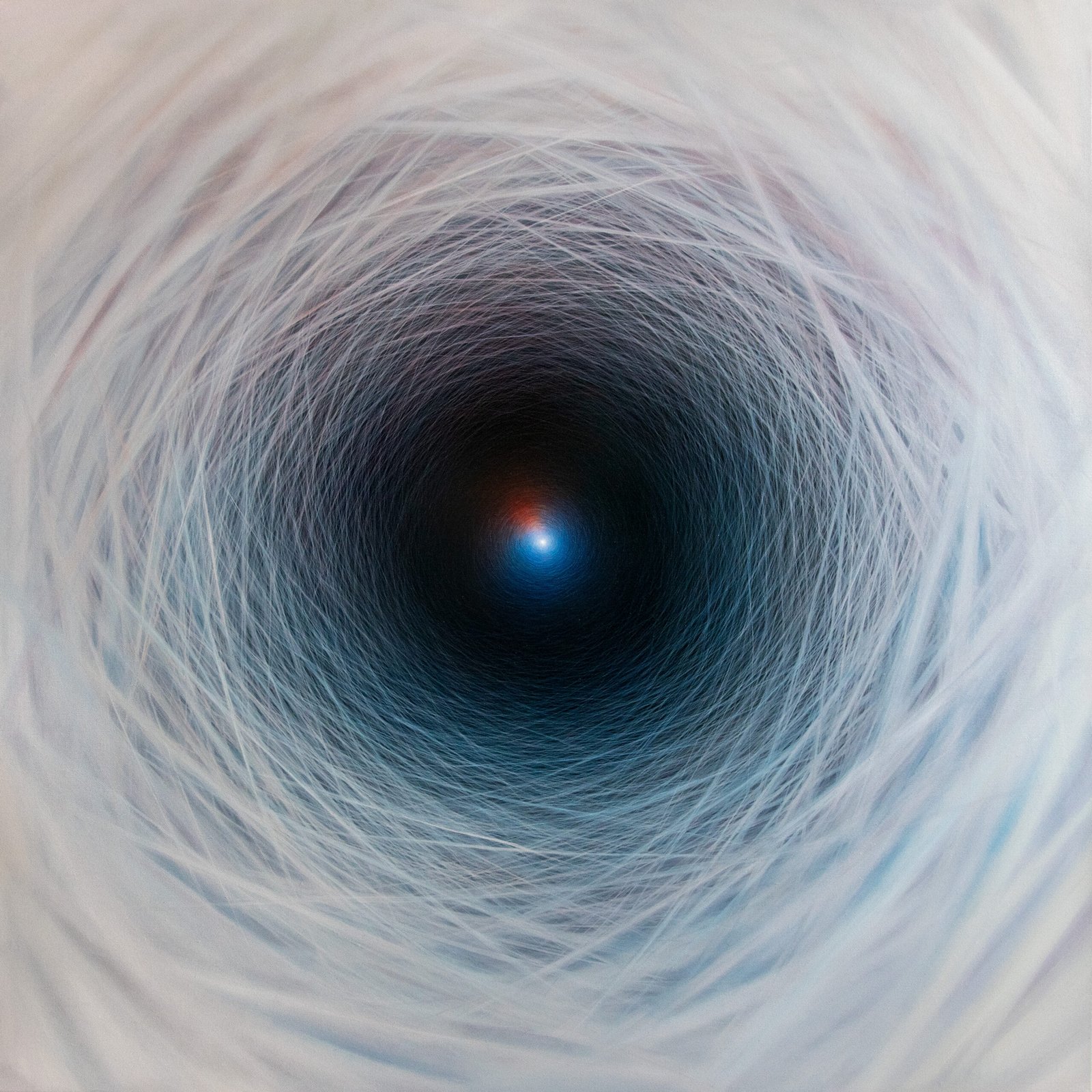
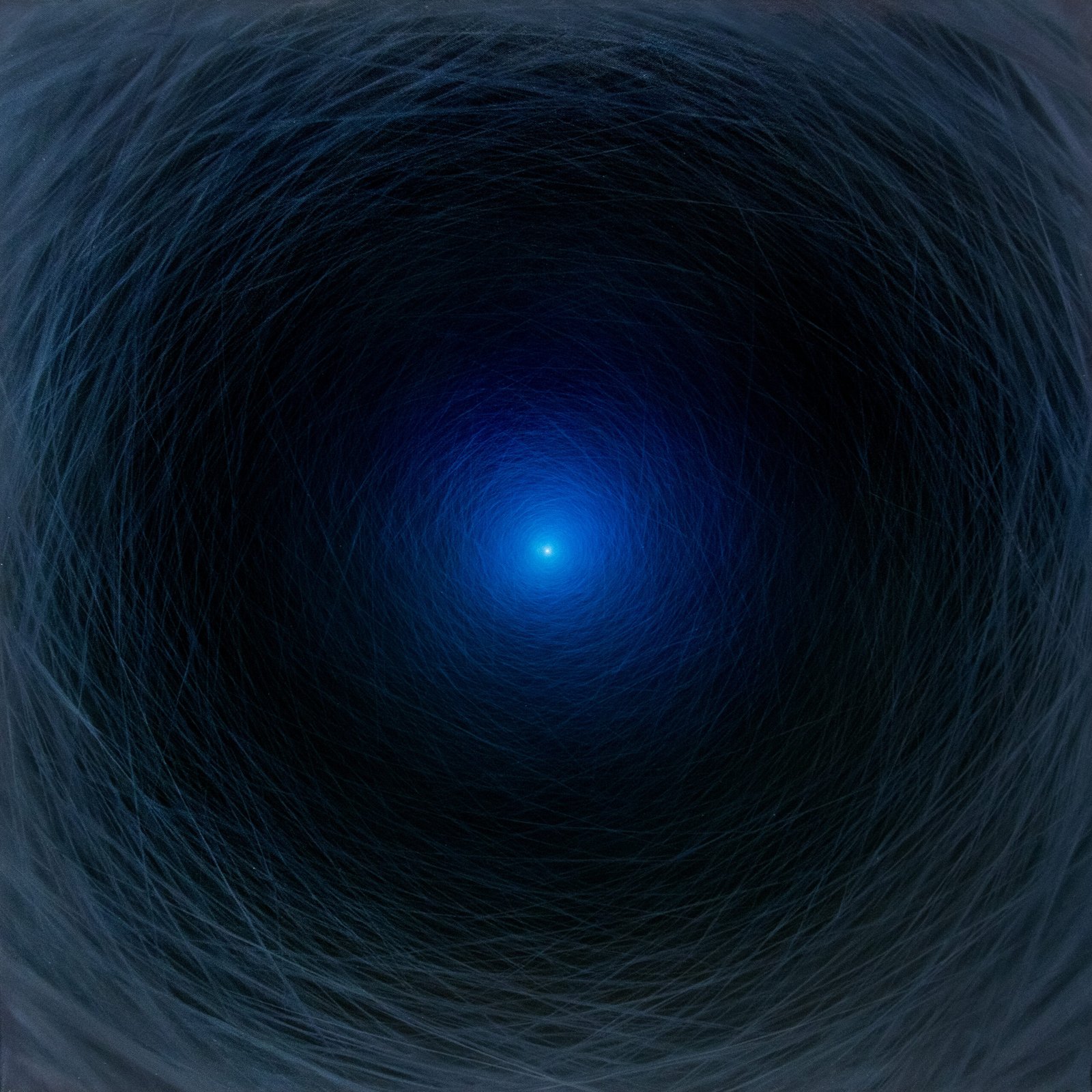
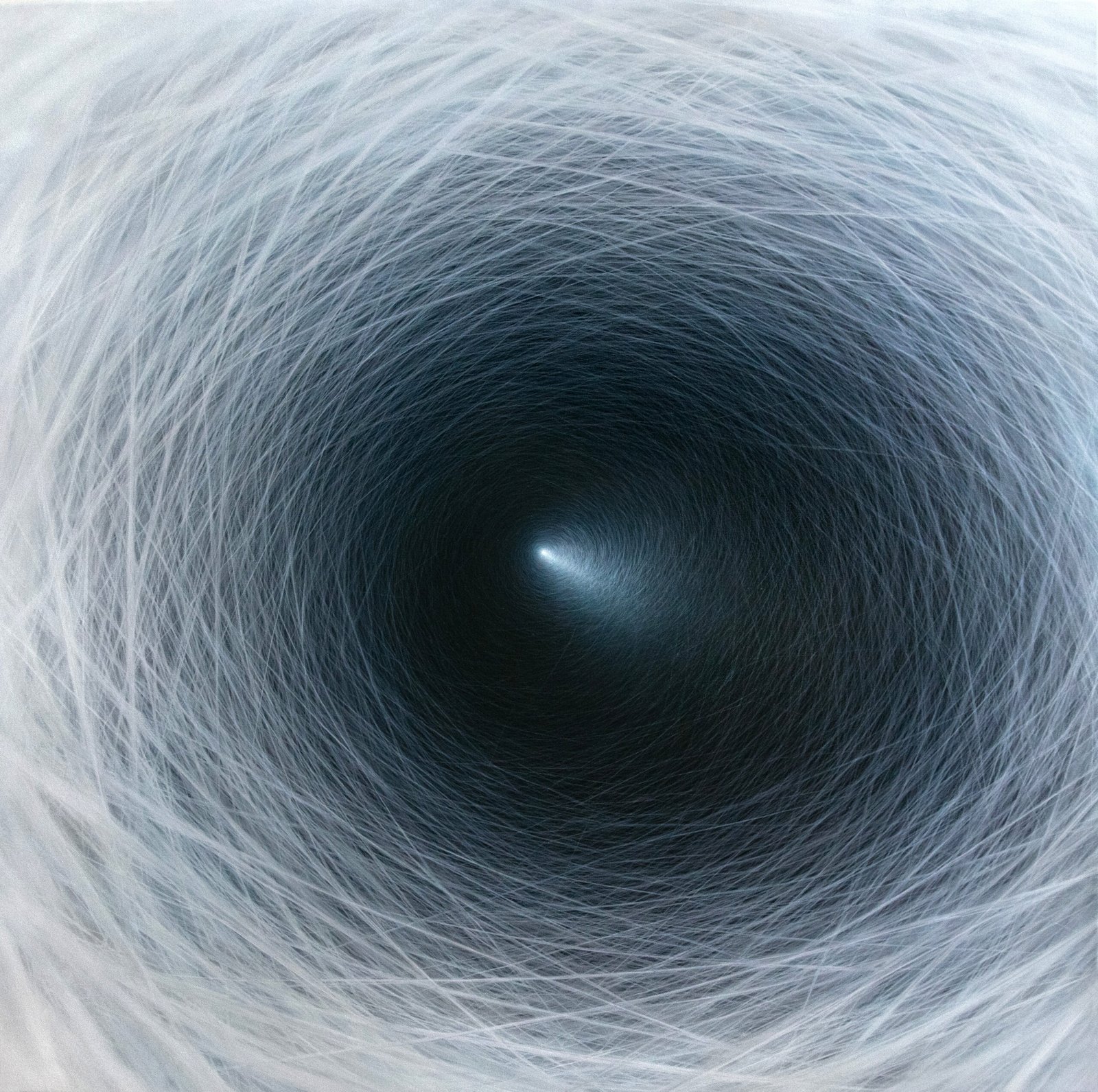
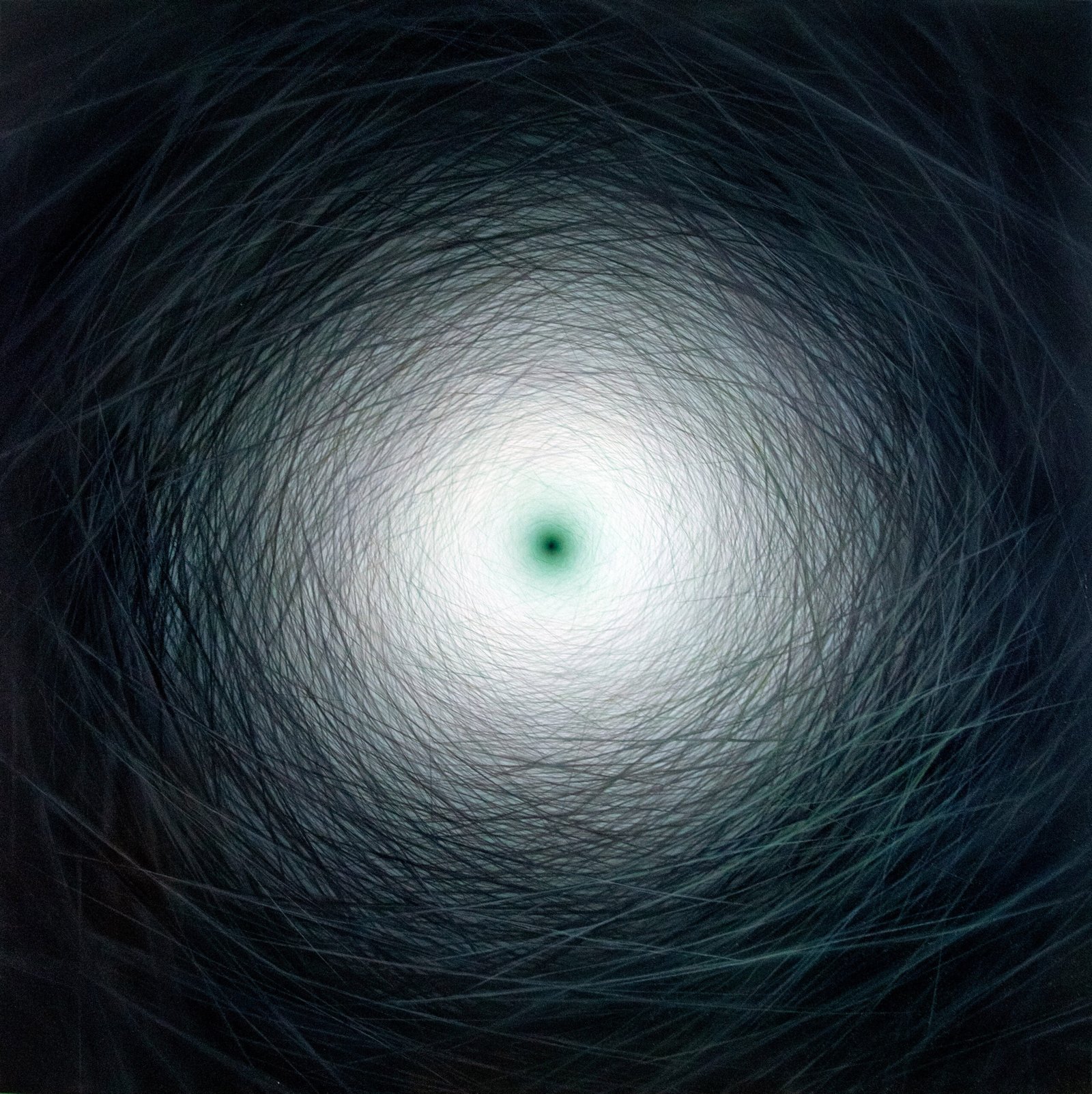
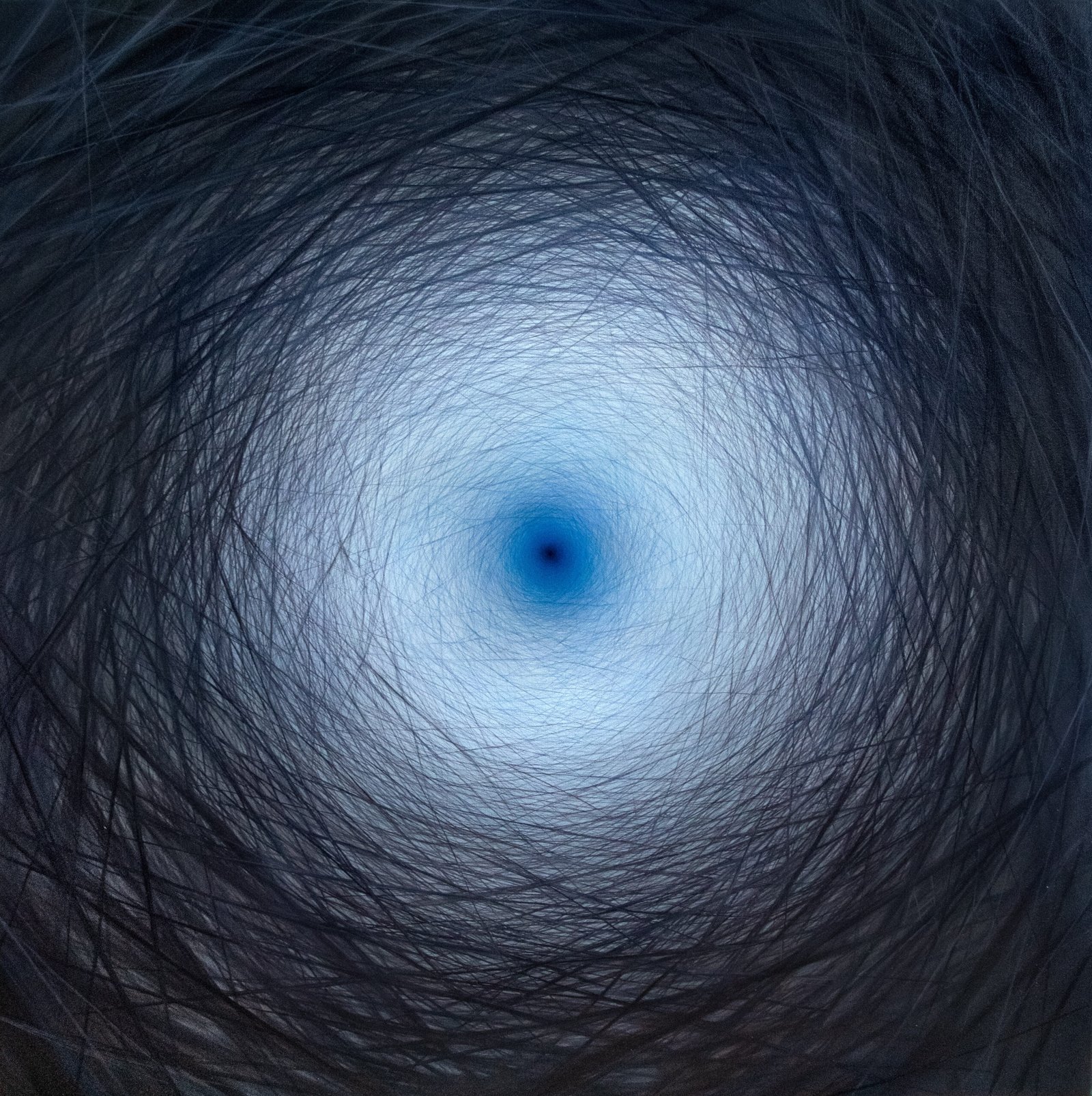
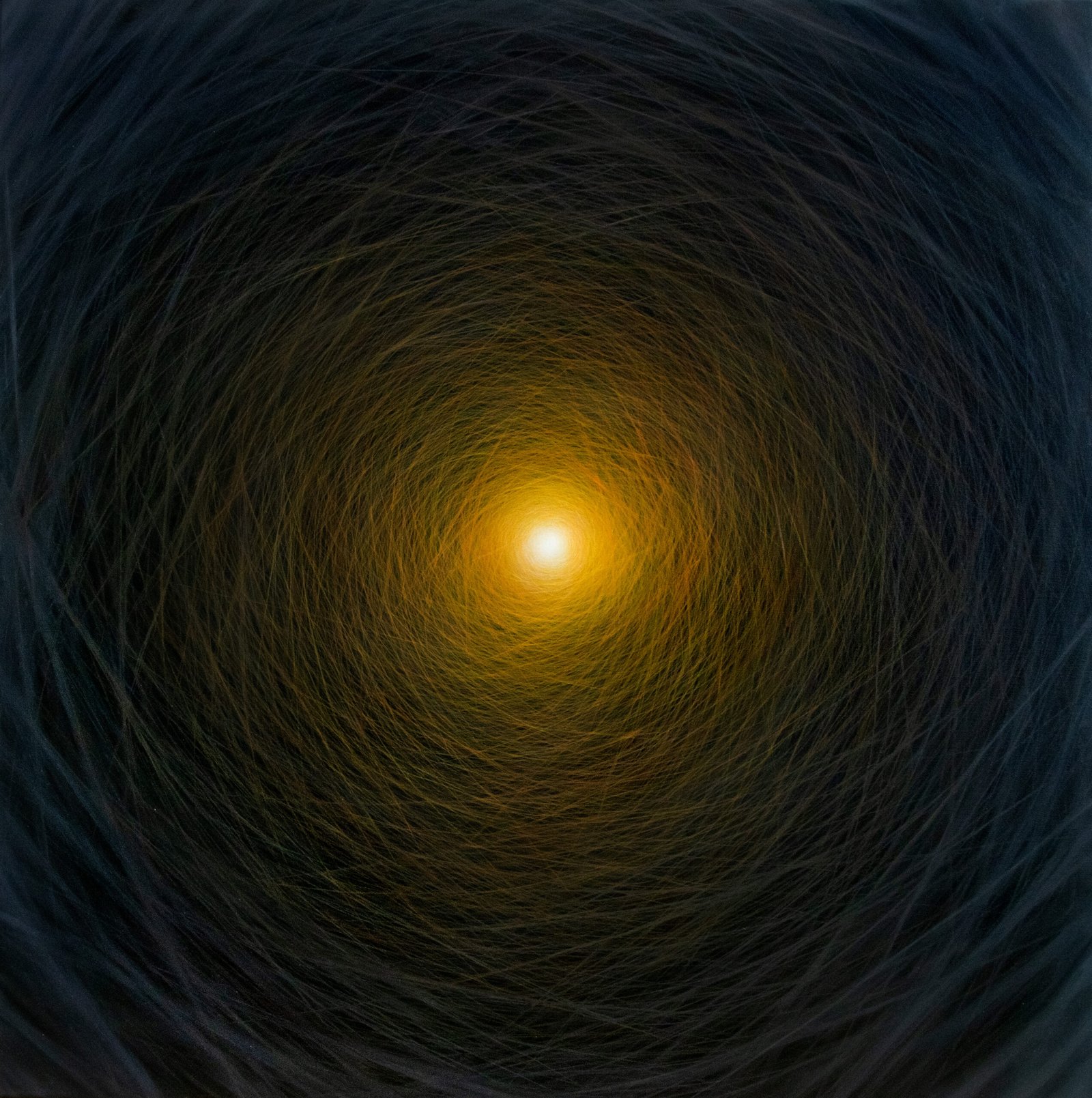
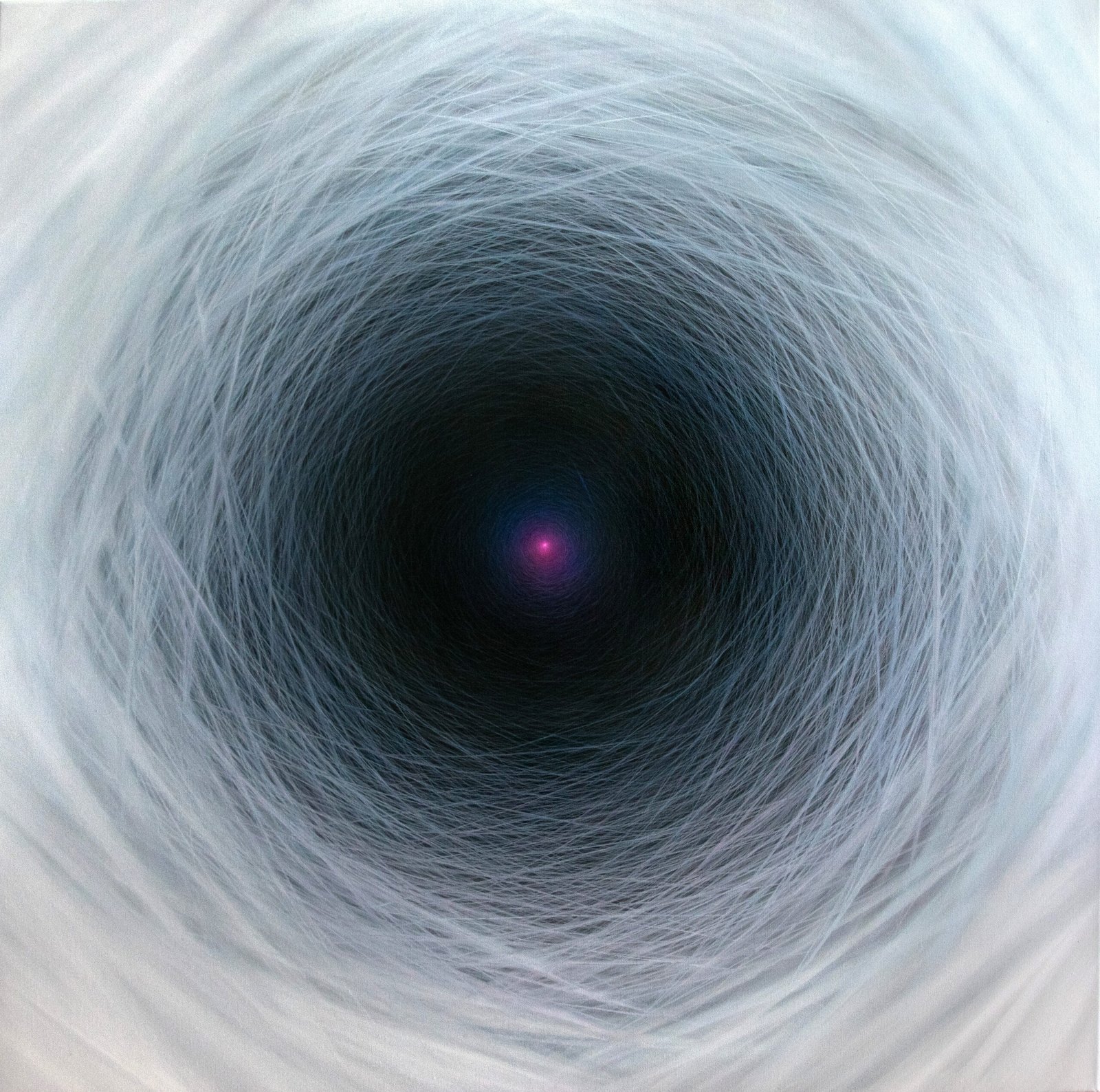
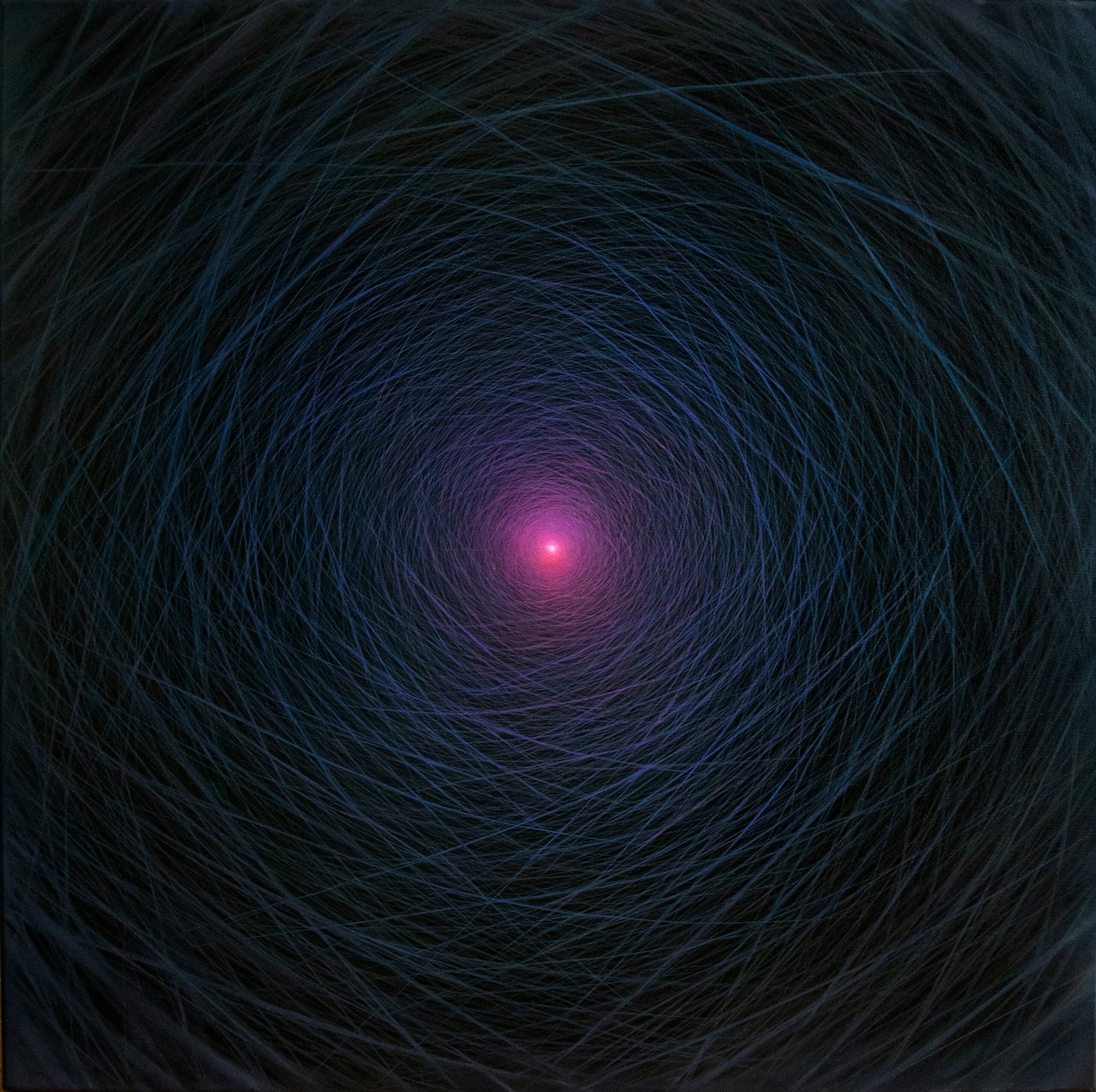
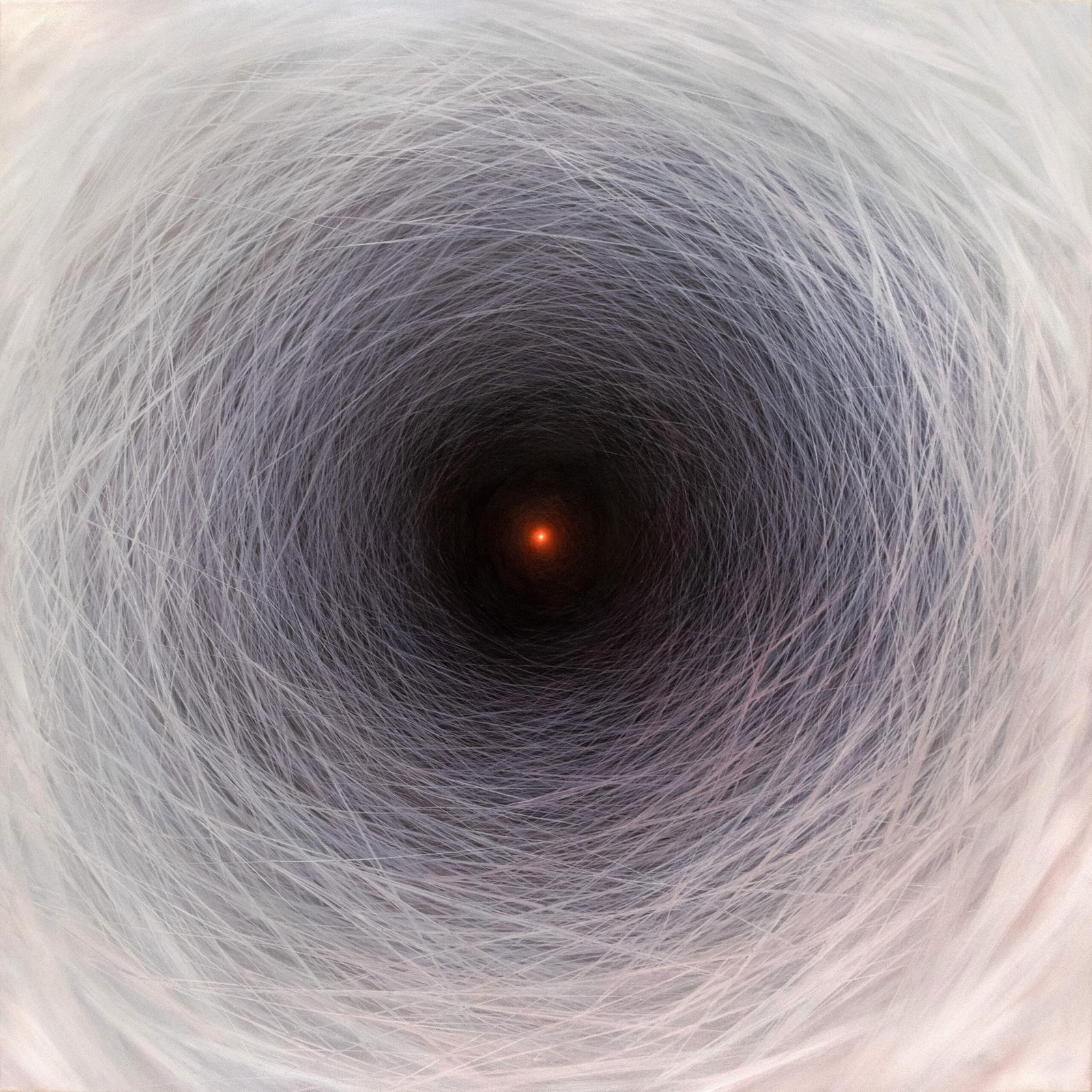
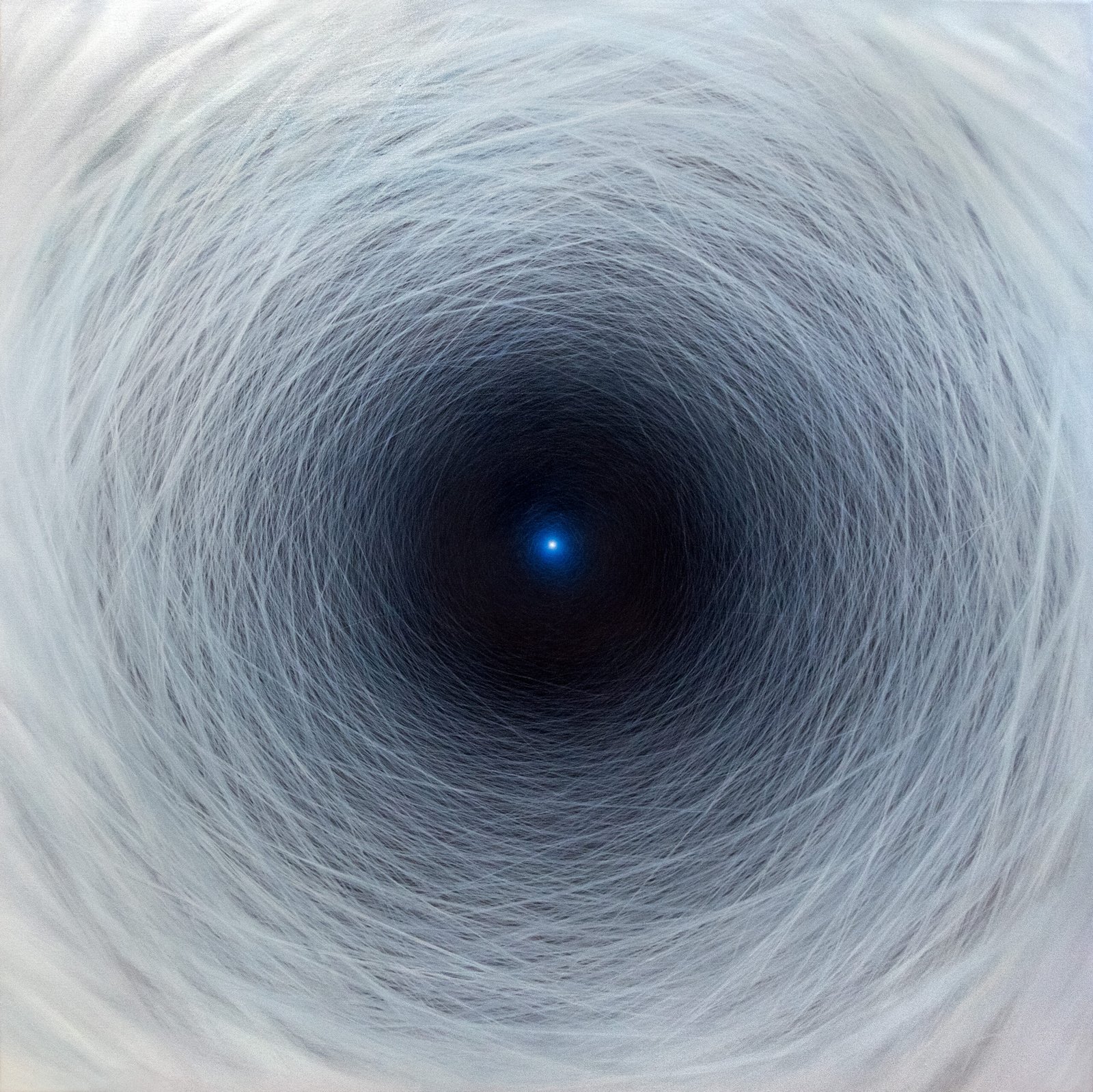
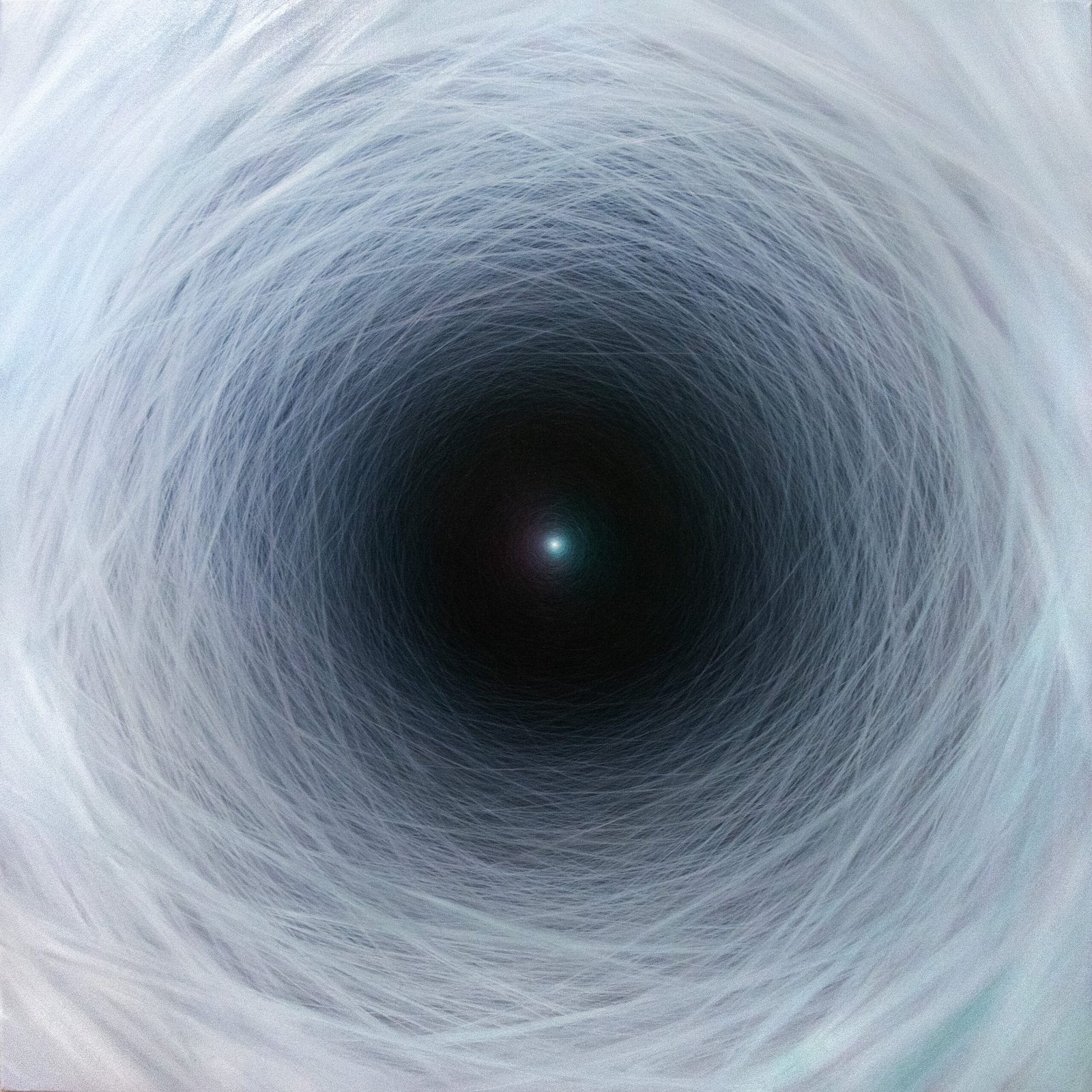
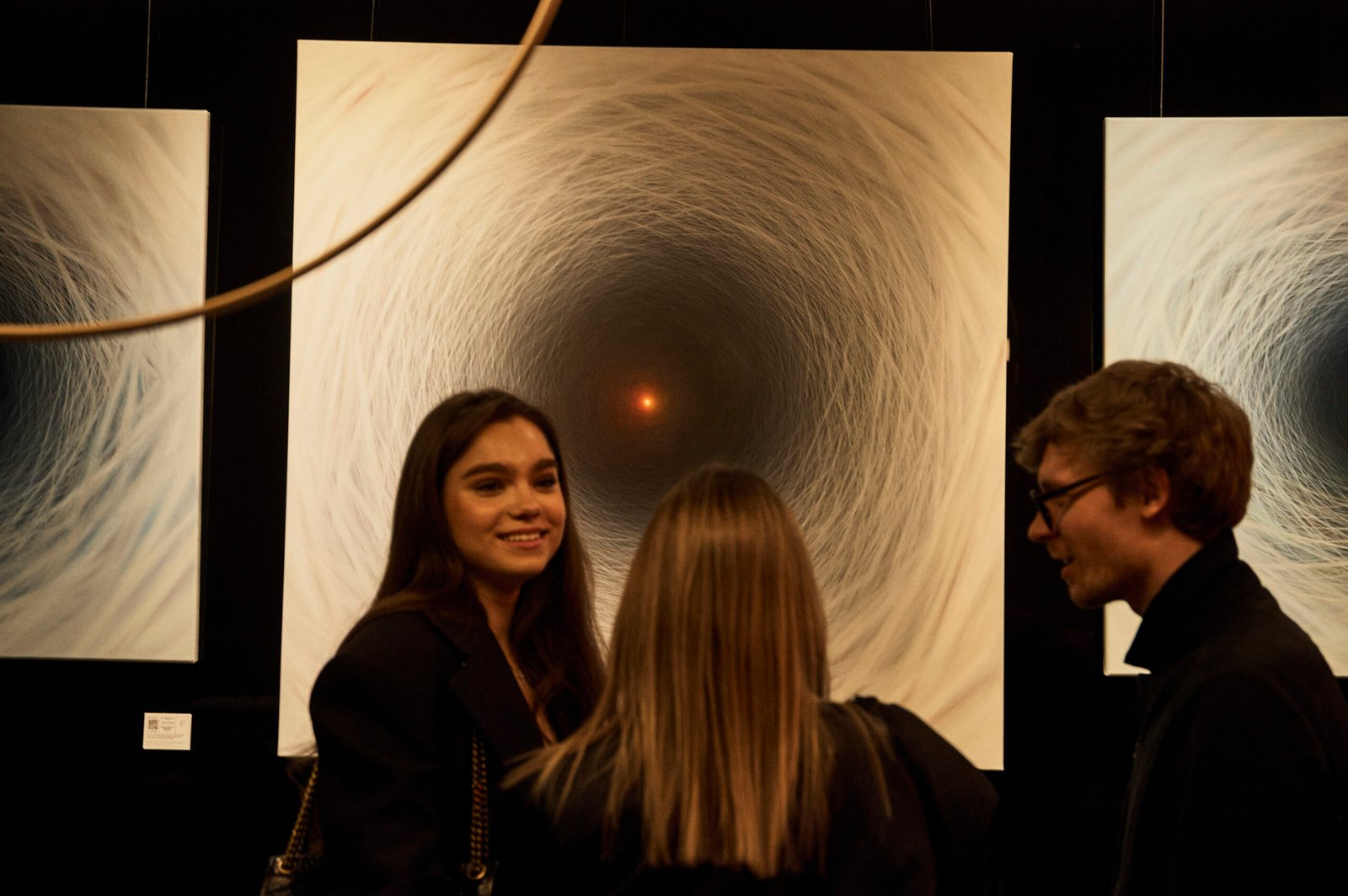
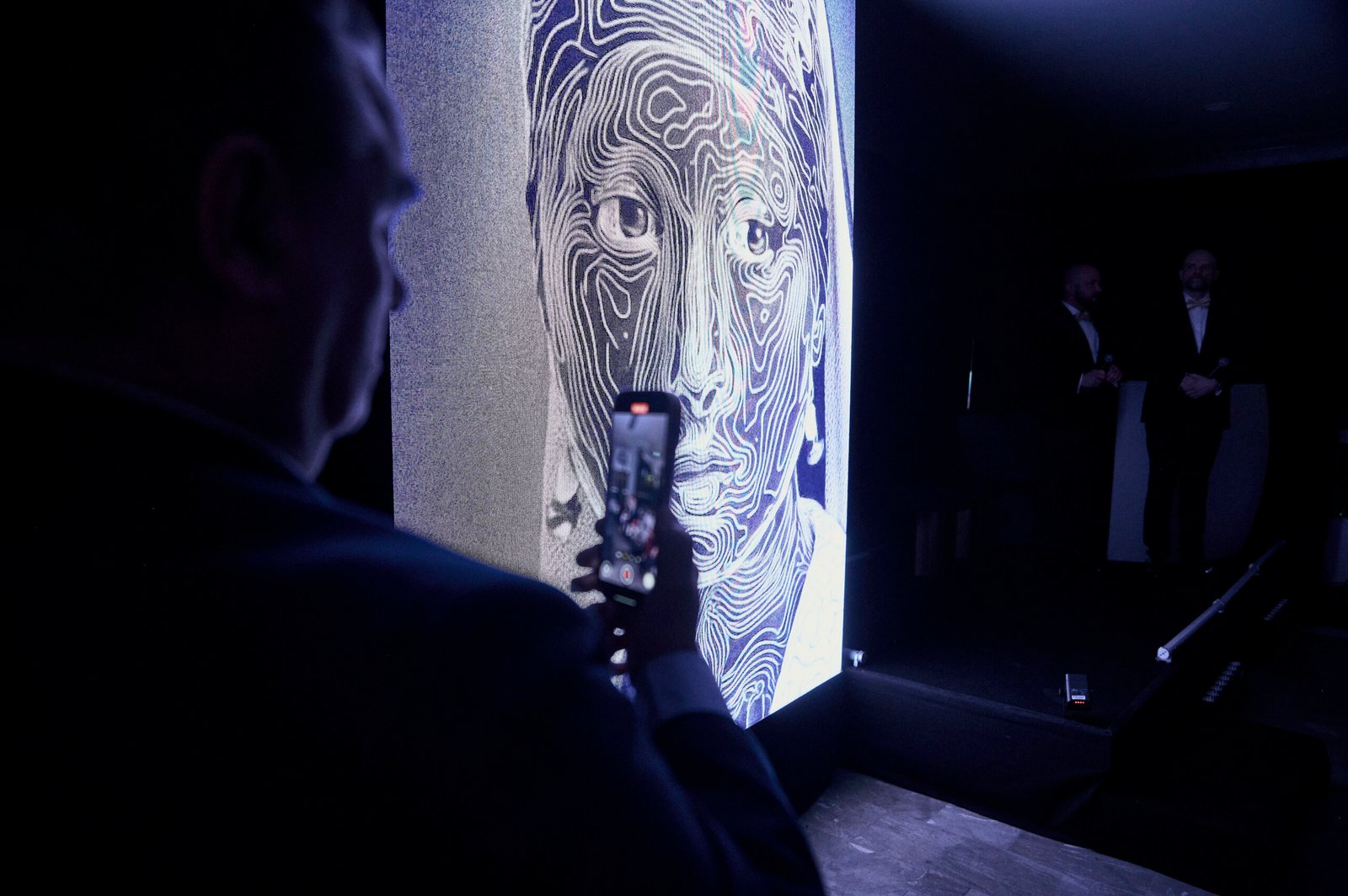
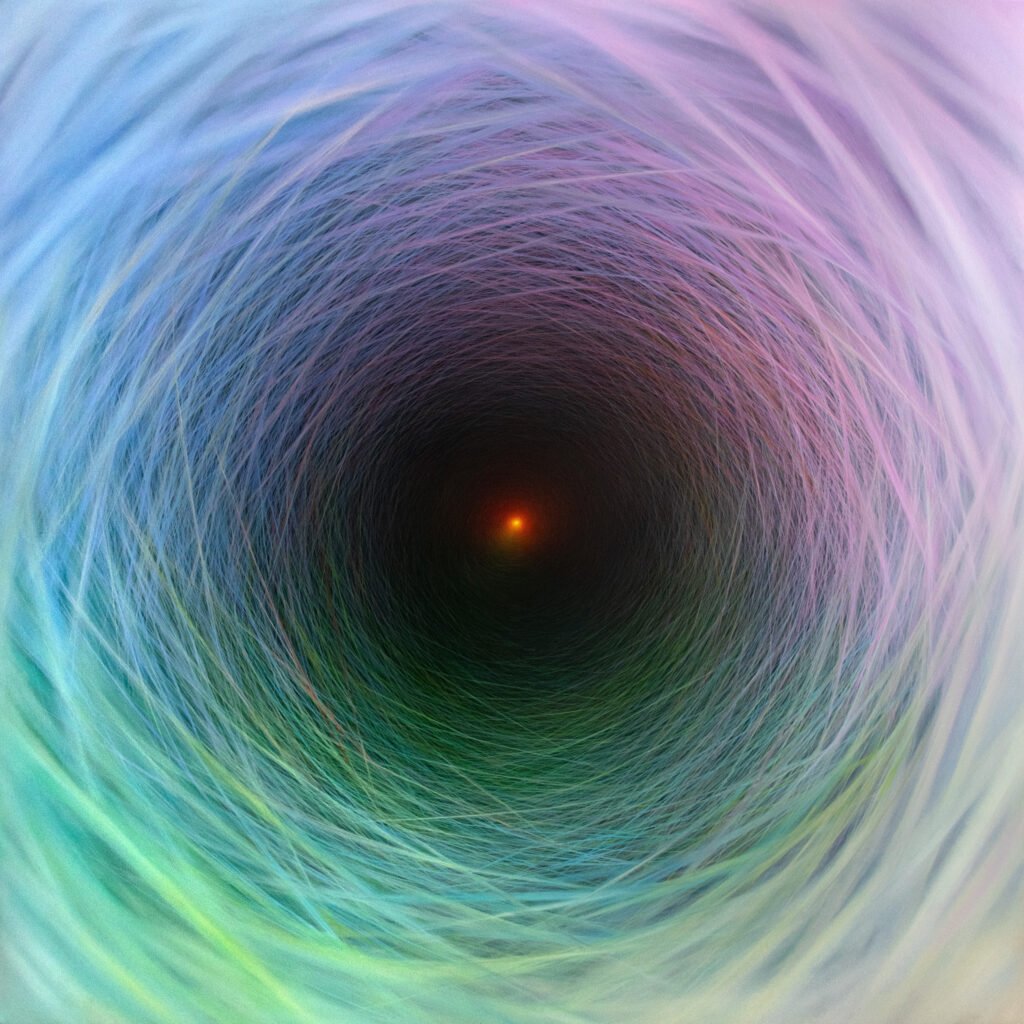
At the core of The Colors of Color lies a radical return to the line. In the painting of Klaudia Krzosek, everything begins with a precisely constructed line, built with almost mathematical discipline. Each line resembles a strand of light woven into the canvas. Up close, the viewer discovers a microscopic world of color particles. From a distance, these lines merge into vibration, pulse, and energy. The exhibition reveals how a new structure emerges as light transforms, and how the canvases begin to breathe within space.
The meaning of The Colors of Color
It goes far beyond aesthetics. This is not an exhibition about colors themselves, but about their inner life and the dialogue between hues. Klaudia Krzosek studies the vibration of color as a physicist studies waves of light or as a musician explores resonance. When light shifts, the paintings respond. When music enters the space, the works seem to resonate with it, and we resonate with them. The result is true immersive art that binds perception to emotion.
Rooted in the tradition of Op Art, initiated by Victor Vasarely and developed by Bridget Riley, Klaudia Krzosek expands this language into new territory. In classical Op Art, movement unfolded primarily as optical illusion. In her work, movement becomes a dialogue with light itself. Unlike Wojciech Fangor, who achieved vibration through soft transitions of color, Krzosek builds intensity through micro-distinction. Each line stands alone, yet together they create a surface pulsing like a wave of energy. It is the difference between blur and precision, between smoldering color and trembling light.
At the same time, Krzosek continues the tradition of geometric abstraction while infusing it with emotional depth. If Piet Mondrian sought divine order and Riley pursued perceptual purity, Klaudia Krzosek seeks the emotion of light and its living presence. Her compositions are warm, luminous, and full of breath. It is precisely this combination of discipline and sensory empathy that makes her work feel new and necessary in today’s art landscape.
Meaning of Light
A defining element of the new series presented in The Colors of Color is the motif of central light. This focal center is not a geometric point but a field of energy that draws the gaze inward. It acts as a magnet, hypnotic and resonant. From it emerges pulsation that is not an illusion but a lived experience. Every ray of light falling onto the canvas activates the surface differently. Morning light reveals calm and contemplation. Artificial light introduces rhythm and intensity. Warm, cool, blue, red, or multicolored illumination transforms each painting into a moving portal.
Invitation to experience abstraction
The Colors of Color Klaudii Krzosek is an invitation to step inside painting and experience abstraction as vibration, light, and presence. It opens a new chapter within contemporary geometric abstraction and offers journalists, collectors, and art lovers a compelling story about how color can still transform perception. Join us and witness how painting becomes energy, and how light becomes emotion.
Klaudia Krzosek In the Eyes of The Art Master
Curatorial Essay – prof Andrzej Zwierzchowski
The phenomenon of light is an absolute and obvious necessity for the existence of life in all its fullness.
Among the dizzying array of the number and diversity of forms in which life’s energy manifests itself, there is also art, an avant-garde that broadens the field of exploration of reality for the benefit of culture in its broadest sense. The interpenetration of spiritual and intellectual values in art constitutes the foundation of the identity (including self-awareness) of the human being. Light is a great gift, simultaneously enchanting and terrifying in its cruelty in unmasking reality.
In painting, light is a fundamental “tool” for describing and expressing forms and meanings.
The Baroque era clearly and decisively drew inspiration from the phenomenon of light, assigning it a key role in the creation of a work, often endowing it with a surprisingly diverse range of meanings. For example, light in the paintings of Michelangelo Merisi da Caravaggio ruthlessly cuts through space and almost “massacres” the figures, appearing unexpectedly.
In Rembrandt’s work, this same light graciously imbues us with its radiance and slowly, over time, fades away with his subjects into the shadow of nonexistence.
The drama of light appearing and fading has accompanied us for thousands of years, and its cyclical nature is not entirely reassuring. This sentence encapsulates the fundamental idea and formal expression in Klaudia Krzosek’s mature paintings. In this painting, light comes to us from afar, overcoming many obstacles along the way (it has been “through” but is still there), and this in itself carries a note of optimism and hope.
Klaudia Krzosek represents New Generation of Abstractionists
At the beginning of her creative journey, in the first years of her studies, Klaudia used light instrumentally, to describe the drama of human figures, and they were the heroes of her compositions. The light that is present in her paintings now was previously also a light that came to us, but it wasn’t the punch line of the performance. I then saw that the value lies in the phenomenon of light itself, not in the created representation. I counted on her sensitivity, which would understand my discreet distance from her works at the time and not force me to be decisive. And I was not disappointed! Thanks to her sensitivity and reliance on her intuition, she achieved a breakthrough.
The drama of light also became our drama and, paradoxically, our hope.
prof. Andrzej Zwierzchowski
– Polish painter born in 1958. From 1974 to 1979, he studied at the Faculty of Painting of the Academy of Fine Arts in Warsaw. He graduated from the studio of Professor Jacek Sienicki in 1979. Since 1990, he has headed the painting and drawing studio at the Faculty of Interior Design of the same academy. In the 1980s, he actively participated in the movement of artists exhibiting outside the official circuit. He held numerous solo exhibitions in Poland (Zachęta, National Museum in Wrocław) and at the Mimara Museum in Zagreb, and his work has also been shown in group exhibitions abroad (Berlin, Paris, Prague). Since 2003, he has been an associate professor at the Academy of Fine Arts in Warsaw.
Klaudia Krzosek, The Colors of Color, 130×130 cm, 2025
The title painting of the exhibition, presenting a specific color wheel by Klaudia Krzosek
Meet the Artist
KLAUDIA KRZOSEK
born in 2000 in Radom, has for years impressed audiences with her remarkable artistic sensitivity and masteryof light, shadow, and subtle color contrasts. A graduate of the Academy of Fine Arts in Warsaw (2024), she began receiving recognition early in her career, winning first prizes in the competitions Monuments of France (2017) and Monuments of Italy (2018). Her first ever solo exhibition Break on Through at Warsaw’s Art in House Gallery (2023) was met with resounding
success – every work was sold during the show – and confirmed her rare ability to unite technical precision with emotional depth.
Klaudia Krzosek is an artist who begins where many painters end: with the line. In her practice, everything starts from a single, precisely constructed line, not a spontaneous gesture but a structure built with almost mathematical discipline.
Each line resembles a strand of light woven into the surface of the canvas.
Up close, the viewer discovers a microscopic world of color particles. From a distance, these lines merge into vibration, pulse, and energy. This is the foundation of Klaudia Krzosek artworks redefining how we experience abstraction.
Klaudia Krzosek studies the dialogue between hues and the energy generated between them.
She approaches color as a physicist studies light waves or as a musician explores resonance. The result is immersive art that responds to light and space. As illumination shifts, new structures emerge. The canvases begin to breathe, and the viewer becomes part of that transformation.
From tradition of Op Art
Initiated by Victor Vasarely and developed by Bridget Riley, Krzosek expands this language beyond optical illusion. In classical Op Art, movement unfolded primarily in the viewer’s eye. In her paintings, movement becomes a dialogue with light itself. Unlike Wojciech Fangor, who achieved vibration through soft color transitions, Krzosek builds intensity through micro-distinctions. Each line stands alone, yet together they form a surface that pulses like a living wave of energy. It is the difference between blur and precision, between smoldering color and trembling light.
At the same time, Klaudia Krzosek continues the legacy of geometric abstraction while infusing it with emotional depth. Krzosek searches for the emotion of light and its living presence. Her compositions are warm, luminous, and full of breath. This combination of discipline and sensory empathy makes her work feel both rigorous and deeply human.
Composing maps of energy
Krzosek describes her paintings as “maps of energy.” They can be seen as landscapes of moods or as pulsating portals leading toward a central source of light. That center is never a simple geometric point. It is a focal field of energy that draws the gaze inward and resonates with the viewer’s inner world. Every ray of light that falls onto her canvas activates the surface. The painting does not merely reflect light; it responds to it. Morning light creates calm and contemplation. Artificial evening light introduces pulse and intensity.
Each work functions as a complex system of microscopic bands that react to illumination like a living organism. The experience is sensory and spiritual at once. It demands attention, yet rewards it with a rare sense of immersion.
Klaudia Krzosek opens a new chapter
In a moment when abstraction is often considered an exhausted language, Klaudia Krzosek opens a new chapter. Through light, rhythm, and vibration, she reminds us that color still has the power to move, transform, and resonate far beyond the surface of the canvas.
Patrons of the Exbibition
Explore “The Colors of Color” Art Collection